
Canelo Alvarez Faces Christian Mbilli for the WBC Title — But His Gas Tank Is Now the Fight

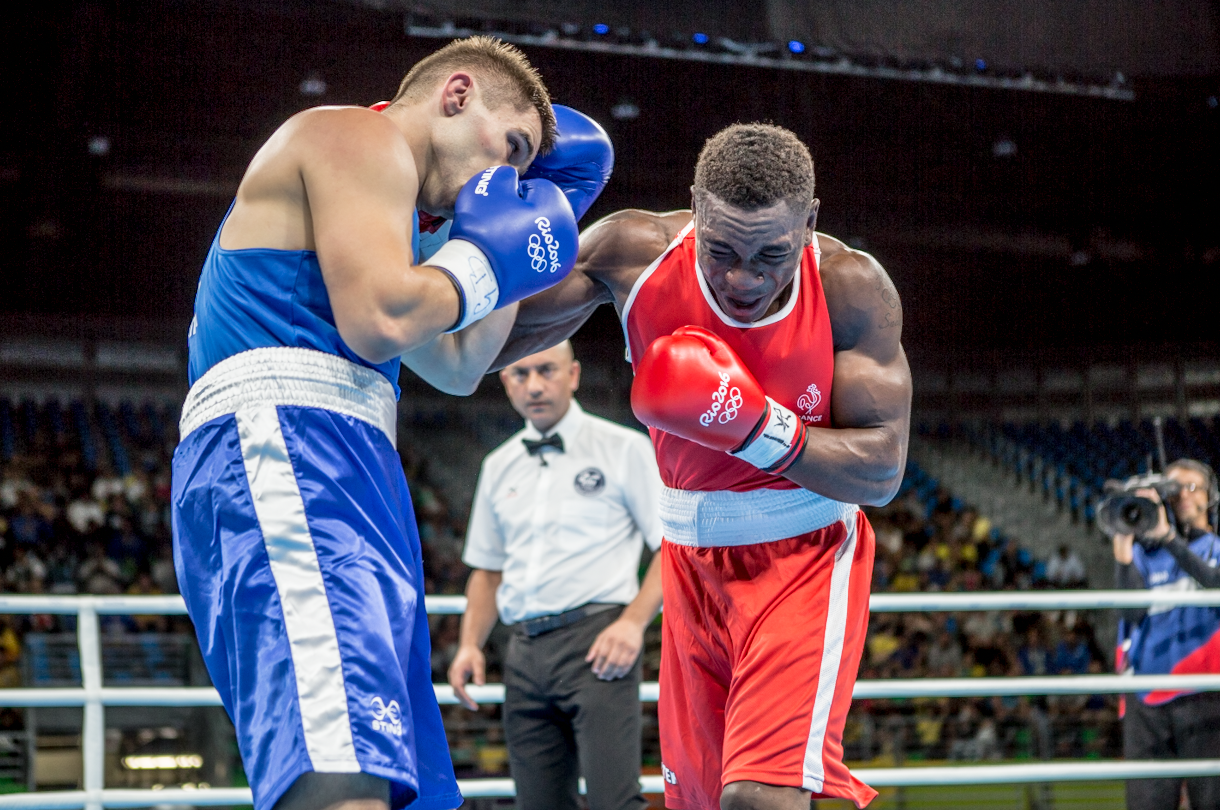
Canelo Alvarez will challenge Christian Mbilli for the WBC super-middleweight title on October 31 in Riyadh, but the championship belt is only part of what is at stake.
The Saudi Press Agency confirmed that Alvarez-Mbilli will headline the “Mexico vs. The World” event and stream live on DAZN. Mbilli enters as the defending champion making his first title defense. Alvarez enters as the challenger, attempting to regain championship status after losing a unanimous decision to Terence Crawford in September 2025.
That makes this more than another opportunity for Alvarez to add a belt to one of boxing’s most accomplished résumés. At 63-3-2 with 39 knockouts, according to The Ring, Alvarez has already established what he has been across multiple divisions. What remains uncertain is what kind of fighter he can still be against a younger champion determined to pressure him for 12 rounds.
Alvarez can still create dangerous moments. He can still counter mistakes, punish exposed bodies and use experience to change the pace of a round. Mbilli’s challenge is more sustained than that.
Can Canelo control the entire fight?
The Question Is No Longer Whether Canelo Can Create Moments
Alvarez has spent years proving that one opening can be enough to change a fight. His timing, composure and ability to recognize patterns have helped him solve opponents who appeared faster, longer or more active.
The concern entering this matchup is not whether those skills have disappeared. There is no verified medical evidence establishing that Alvarez is physically diminished, exhausted or incapable of performing at championship level. The concern is whether his increasingly economical style gives Mbilli too many opportunities to work between Canelo’s best moments.
Dan Rafael described the matchup as “a crapshoot” during an appearance on About Boxing, according to BoxingNews24. Rafael identified Mbilli’s youth and relative freshness as significant factors but stopped short of predicting that the champion would win.
That distinction matters. Saying Mbilli presents a difficult physical test is not the same as declaring Alvarez finished.
Canelo’s recent record does, however, make the question legitimate. BoxingNews24 noted that Alvarez has not recorded a stoppage since defeating Caleb Plant in 2021. He then lost a unanimous decision to Crawford in September 2025, a result that removed him from the championship position he is now attempting to reclaim.
None of that proves Alvarez no longer possesses meaningful power. Knockouts depend on opposition, tactics and opportunity as much as raw force. It does suggest that relying on one decisive finish may be less realistic than it once appeared.
If Mbilli continues advancing after absorbing Canelo’s counters, Alvarez may have to win exchanges repeatedly rather than simply wait for one shot to settle the argument.
Mbilli’s Pressure Could Force Canelo to Work Every Minute
Mbilli brings a 29-0-1 record with 24 knockouts, according to The Ring. He won the interim WBC super-middleweight title by stopping Maciej Sulecki in the first round in June 2025 and was elevated to full champion after Crawford retired in December.
Those results explain why Mbilli’s pressure has become the central tactical issue. He is not being positioned as a cautious champion attempting to protect a belt. His route to victory is likely to require activity, physical commitment and a willingness to keep Alvarez occupied.
Mbilli’s trainer, Marc Ramsay, provided The Ring with an illustration of that mentality. Ramsay said Mbilli treats conditioning work as competition, wanting to win every bench press and sprint. That description comes from his trainer rather than independent testing, but it supports the picture of a fighter whose identity is built around intensity.
Boxing 24/7 argued that Alvarez’s reduced activity and willingness to spend time along the ropes could allow Mbilli to impose sustained pressure. Its stronger claims about Canelo being exhausted or no longer capable of competing effectively in the center of the ring remain opinions, not established physical findings.
The tactical warning is still worth examining.
The ropes can serve a skilled counterpuncher. They can narrow an opponent’s attacking options, create predictable entries and allow a fighter to conserve movement. Alvarez has repeatedly shown that backing up does not automatically mean he has lost control.
Against Mbilli, however, the same position could become expensive. If the champion can close distance without being discouraged, he may be able to throw in combinations, attack the body and force Alvarez to defend for long stretches. Even when those punches are partially blocked, visible activity can influence how judges interpret a round.
Canelo does not necessarily need to match Mbilli punch for punch. He does need to make Mbilli pay often enough that pressure stops looking like control.
If Alvarez spends too much time waiting, Mbilli may accumulate rounds without ever producing the fight’s most memorable punch.
Canelo’s Experience Makes Reckless Pressure Dangerous
Mbilli’s youth and work rate give him an obvious route to victory, but pressure against Alvarez carries a cost.
Canelo has spent much of his career facing opponents who believed movement, volume or physical aggression would disrupt his rhythm. His greatest tactical advantage is not simply power. It is his ability to recognize when an opponent repeats an entry and position a counter where that opponent expects space.
Mbilli cannot treat activity as a substitute for responsibility.
If he attacks in straight lines, squares his feet or remains in range after finishing combinations, Alvarez can turn the champion’s confidence against him. A well-timed counter to the body could reduce Mbilli’s output. A clean right hand or left hook could make him reconsider how freely he enters. Even without producing a stoppage, Canelo can change the fight by making every advance feel dangerous.
Mbilli’s most recent performance also prevents this from being presented as a simple collision between a fading veteran and an unstoppable champion. The Ring reported that Mbilli fought Lester Martinez to a 10-round split draw on the same September 2025 card where Crawford defeated Alvarez.
That draw does not erase Mbilli’s unbeaten record, but it leaves legitimate questions about how consistently he can impose himself against elite opposition. He is now facing the most accomplished opponent of his career, and Alvarez will punish mistakes that lesser fighters might fail to recognize.
The challenge for Mbilli is therefore more complicated than maintaining a high work rate. He must apply pressure without surrendering clean counters, remain active without becoming predictable and show enough discipline to keep executing if Alvarez lands something significant.
Youth can provide energy.
It does not automatically provide control.
The Records Show a Real Shift, Not a Certain Decline
The available evidence supports concern about where Alvarez stands, but it does not justify a medical diagnosis disguised as fight analysis.
Alvarez is 63-3-2 with 39 knockouts. Mbilli is 29-0-1 with 24 knockouts. Those records, reported by The Ring when the contest was confirmed, establish the contrast between an extensively tested former champion and a younger titleholder entering his first defense.
Recent results sharpen that contrast. Alvarez is returning from the unanimous-decision loss to Crawford. Mbilli is returning from the split draw with Martinez. Before that draw, Mbilli’s first-round stoppage of Sulecki secured the interim WBC championship that eventually became full title status following Crawford’s retirement.
The record also shows that Alvarez’s most recent stoppage came against Plant in 2021, according to BoxingNews24. That is relevant when evaluating whether Canelo can still discourage an aggressive opponent with the same certainty he once carried.
What the record does not reveal is why the stoppages have disappeared. It does not measure Alvarez’s current endurance, quantify his remaining power or prove that he cannot increase his activity when required. It certainly does not establish that Mbilli will remain fresh after absorbing experienced counterpunching for multiple rounds.
There are also important details that cannot yet be evaluated. The reviewed sources did not provide verified purse figures or official fight-week weights. Officials and judges had not been identified in the supplied reporting. Those gaps should remain gaps rather than invitations to manufacture certainty.
The most responsible conclusion is also the most compelling one: both fighters enter with something substantial left to prove.
Twelve Rounds Will Answer What the Résumé Cannot
The decisive evidence will emerge in the positions Alvarez and Mbilli repeatedly occupy on fight night.
Can Canelo hold center ring and force Mbilli to reset? Can he counter frequently enough to interrupt the champion’s combinations? Can he remain active in the late rounds if Mbilli refuses to slow down?
For Mbilli, the questions are equally demanding. Can he trap Alvarez without following him carelessly? Can he sustain pressure after taking clean shots? Can he distinguish productive aggression from activity that merely gives Canelo countering opportunities?
The early rounds may be deceptive. Alvarez could begin economically while studying Mbilli’s timing, and Mbilli could build an initial lead through output. The more revealing portion may arrive after the midpoint, when both fighters understand what the other is attempting and physical effort begins to shape tactical choices.
If Alvarez is still controlling distance, landing clean counters and claiming exchanges late, he will have demonstrated that his economy remains deliberate rather than limiting. A victory under those circumstances would restore him as a genuine championship force and show that the Crawford defeat did not mark the end of his elite relevance.
If Mbilli repeatedly drives him to the ropes, maintains his output and prevents him from answering often enough, the meaning will be different. Another low-activity performance would strengthen the argument that Alvarez’s style now asks too much of isolated moments and not enough of sustained work.
That would not erase his career.
It could redefine its final stage.
LET’S TALK ABOUT IT
Can Canelo’s timing and counterpunching control Christian Mbilli for 12 rounds, or will the champion’s pressure expose how economical Alvarez has become?
Would a victory restore Canelo as a true championship force—and would another flat performance signal that the final stage of his career has fundamentally changed?
Outlets cited in this story
- BoxingNews24
- The Ring
- DAZN
Spot an error? Send a correction. We fix mistakes in the open.