Canelo Alvarez vs. Christian Mbilli Live Results — The Crown and the Division Remain Undecided
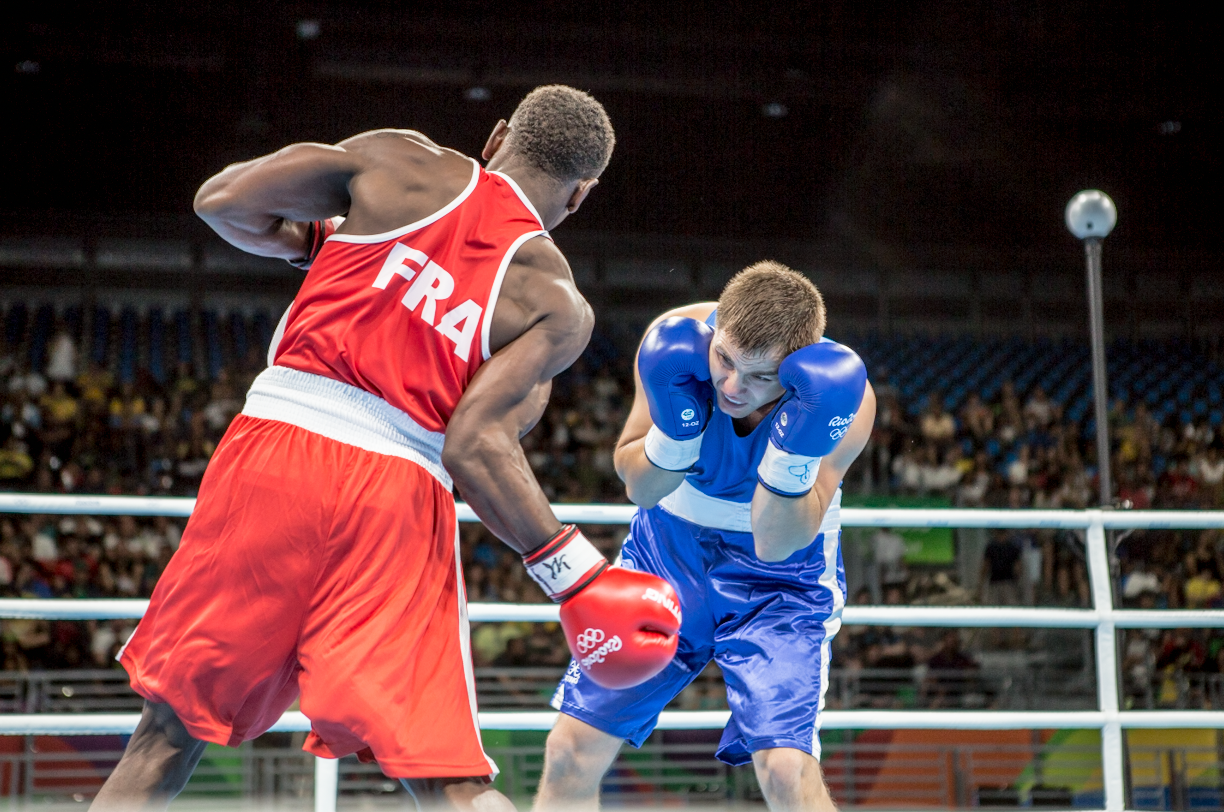
Saúl “Canelo” Álvarez is attempting to reclaim the WBC super-middleweight championship from Christian Mbilli in Riyadh, but an official result for the October 31 main event had not been posted in the cited live reports at the time of publication.
The available updates from Boxing News, Boxing247, BoxingNews24 and Sky Sports included coverage from the event without confirming a winner, method, round, scorecards or updated records for Canelo and Mbilli. Until the result is official, the central question surrounding this fight remains unanswered: Did Canelo reestablish himself as the standard at 168 pounds, or did Mbilli prove that the division has moved into a new era?
Canelo entered the fight with a record of 63-3-2 and 39 knockouts, according to Boxing247. Mbilli entered at 29-0-1 with 24 knockouts. The contest was scheduled for 12 rounds with Mbilli’s WBC super-middleweight championship at stake.
Those numbers establish the contrast. Canelo brought the résumé, the championships and the experience of a career spent at the center of major boxing events. Mbilli brought the title, an undefeated record and the opportunity to secure the defining victory of his career.
The official result will determine which of those realities mattered most once the bell rang.
The Official Canelo-Mbilli Result Has Not Been Posted
No official result for Canelo Alvarez vs. Christian Mbilli appeared in the cited live coverage at the time this article was prepared.
The Boxing News live scorecard remained blank, while the accessible reports from Boxing247 and BoxingNews24 included event updates without confirming the outcome of the main event. Sky Sports was also providing live coverage, but the available reporting did not establish a winner or provide official scorecards.
That means no responsible account can yet state that Canelo reclaimed the WBC title or that Mbilli successfully defended it. There is also no verified basis for publishing a stoppage round, judges’ scores, knockdowns, point deductions or updated professional records.
Live boxing coverage creates pressure to turn every unofficial development into a conclusion. A broadcast scorecard may suggest who is leading, and social-media reactions may declare a winner before the official announcement. Neither replaces the result delivered in the ring and confirmed by reliable reporting.
If the fight reaches the scorecards, the official totals will matter more than any unofficial card. If it ends inside the distance, the confirmed method, round and time will be necessary to describe the result accurately. Until that information appears, this remains a live-results story in progress.
The same standard applies to post-fight reaction. No verified statements from Canelo or Mbilli were available in the cited reporting at the time of publication. Any explanation of what worked, what failed or what comes next must wait until the fighters speak and those comments can be properly attributed.
What is already clear is why this result carries unusual weight for both men.
Canelo Is Fighting for More Than Another Championship
Canelo arrived in Riyadh trying to recover from one of the most significant defeats of his career.
Terence Crawford defeated him by unanimous decision on September 13, 2025, taking the undisputed super-middleweight championship. The Associated Press reported official scores of 115-113, 115-113 and 116-112 for Crawford.
That loss did more than remove Canelo’s belts. It challenged the assumption that his name, experience and long record of championship success still made him the automatic standard for the division.
Canelo has lost before, but the Crawford defeat created a different kind of question. Floyd Mayweather defeated a younger Canelo in 2013, long before the Mexican star reached the height of his career. Dmitry Bivol beat him at light heavyweight in 2022, one division above the super-middleweight limit. Crawford defeated Canelo at 168 pounds and took the undisputed championship that had defined the latest stage of Canelo’s reign.
Facing Mbilli gave Canelo an immediate opportunity to provide an answer.
A victory would return one major championship to Canelo and demonstrate that the Crawford loss did not end his ability to defeat an undefeated titleholder at super middleweight. It would also restore some competitive authority to a career that has increasingly been judged against its own exceptional history.
It would not erase the Crawford defeat.
Reclaiming the WBC belt would not automatically make Canelo undisputed again, nor would it resolve every question about who controls the division. It would establish that he remains capable of beating a recognized champion and taking back a portion of the championship position he previously held.
That distinction matters. Boxing frequently treats a famous fighter’s return to title contention as if the old order has already been restored. Canelo still had to defeat the champion in front of him.
Reputation earned the attention. The result must earn the conclusion.
Mbilli Entered as the Champion, Not a Supporting Character
The WBC identifies Christian Mbilli as its super-middleweight world champion. According to the sanctioning body, Mbilli was elevated from interim champion to full champion on January 27, 2026, after the title became vacant.
That championship history must be presented accurately. Mbilli did not enter Riyadh as a challenger borrowing relevance from Canelo’s name. He entered as the WBC champion defending his position against the division’s most recognizable former champion.
The difference is more than ceremonial.
At 29-0-1 with 24 knockouts before the fight, Mbilli brought an unbeaten record and a finishing rate that made him a serious threat rather than a convenient route back to a belt. Canelo’s experience remained an obvious advantage, but experience only matters when a fighter can still use it against a younger, aggressive opponent operating with confidence.
For Mbilli, beating Canelo would represent the clearest possible confirmation of his championship status. His elevation gave him the belt, but a victory over Canelo would give his reign the kind of defining performance that administrative recognition cannot provide.
That would not automatically make Mbilli undisputed or settle every argument at super middleweight. One victory, even against Canelo, would not eliminate the need for future defenses or potential unification fights.
It would, however, change the way Mbilli must be discussed.
A confirmed win would mean he had defeated the man who controlled the division before Crawford and had done so while carrying the responsibility of champion. The story could no longer be reduced to whether Canelo still had enough left. Mbilli’s execution, adjustments and ability to handle the occasion would deserve equal attention.
That is one of the larger stakes attached to the official result. Established stars often remain the center of boxing’s narrative even after belts begin moving elsewhere. Younger champions are introduced as opponents in the star’s comeback instead of fighters building their own reigns.
Mbilli had an opportunity to force a different conversation.
The Record Establishes What Was at Stake in Riyadh
Both fighters made the super-middleweight limit on October 30. Sky Sports and Boxing247 reported that Canelo weighed 167.6 pounds, while Mbilli weighed 167.8 pounds.
Boxing247 reported that the fight was scheduled for 12 rounds for Mbilli’s WBC championship. The WBC had previously announced that the matchup was rescheduled for October 31 in Riyadh.
Those details establish a straightforward competitive picture. The champion and challenger made weight, the title was at stake and Canelo entered after losing his undisputed championship to Crawford.
What the record cannot yet establish is how the fight unfolded.
Without confirmed round-by-round reporting, there is no basis for inventing momentum swings, tactical adjustments or decisive exchanges. There is no verified knockdown to analyze, no official score to dispute and no post-fight explanation to evaluate. Filling those gaps with assumptions would produce a more dramatic story, but it would not produce accurate reporting.
Once confirmed, the result must be judged with precision.
If Canelo wins, the correct conclusion will be that he regained the WBC championship and answered an important question after the Crawford loss. It will not mean he erased that defeat or automatically restored undisputed control.
If Mbilli wins, the correct conclusion will be that he successfully defended the WBC title and secured the biggest victory of his career. It will strengthen his claim as one of the division’s leading fighters without making every remaining championship question disappear.
If the result is close or disputed, a rematch may become the most logical next step. If the winner establishes clear control, a defense against another leading contender or a broader unification fight could provide stronger evidence of who truly leads the division.
None of those possibilities should be treated as confirmed until the official result and subsequent announcements are available.
The Next Fight Will Test Whatever This Result Establishes
Championship fights answer one question while creating another.
For Canelo, winning the WBC belt would shift the conversation toward whether he can rebuild a broader championship position after Crawford. The value of that comeback would depend on what he does next: defend against a leading contender, pursue another champion or settle unfinished business created by a close result.
For Mbilli, retaining the title would create a different obligation. Beating Canelo would bring recognition and leverage, but the strongest champions turn major victories into sustained reigns. His next defense would show whether the Canelo fight marked one historic night or the beginning of lasting control at 168 pounds.
A rematch could be justified if the official result leaves genuine uncertainty. A unification fight could clarify the championship picture if the other titleholders and promotional circumstances allow it. A defense against another leading contender could establish that the winner’s position is based on more than one matchup.
The division will not be defined by speculation about an opponent who has not been officially announced.
It will be defined by confirmed results.
LET’S TALK ABOUT IT
Will the official result prove that Canelo remains the standard at super middleweight, or will it establish Mbilli as the leading figure of a new generation?
And what should follow: an immediate rematch, a defense against another leading contender or a unification fight?
Outlets cited in this story
- Associated Press
- BoxingNews24
- Boxing News
- Sky Sports
- Boxing247
Spot an error? Send a correction. We fix mistakes in the open.