Chris Billam-Smith Takes His Clarke Revenge Mission to London — But His Title Future Is Also at Risk

Chris Billam-Smith has spent years carrying the memory of two amateur defeats to Cheavon Clarke. On November 7, he will finally have the opportunity to answer them as a professional.
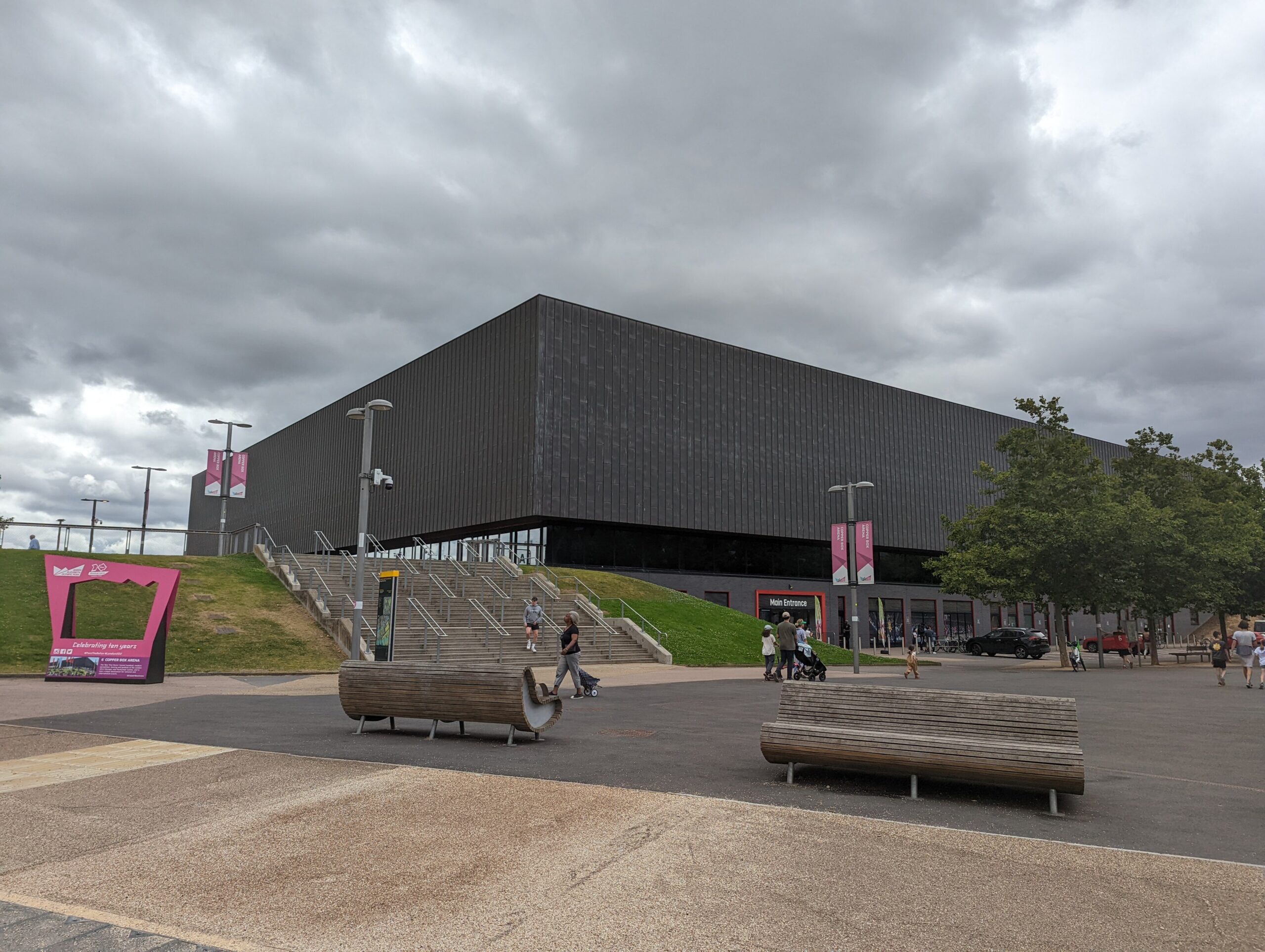
Billam-Smith and Clarke are scheduled to meet in a 10-round cruiserweight main event at London’s Copper Box Arena, according to the official Zuffa Boxing 12 card. Sky Sports and Paramount+ will carry the event. The Ring listed Billam-Smith at 22-2 with 14 knockouts when the fight was announced, while Clarke enters at 12-2 with nine knockouts.
The rivalry gives the fight an obvious personal hook. Clarke defeated Billam-Smith twice during their amateur careers, including in the 2016 national elite final. Billam-Smith told Sky Sports that he still feels “bitterness” over those results and views their professional meeting as a chance to settle the score.
But revenge is only one part of the story.
Billam-Smith has also spoken publicly about pursuing Jai Opetaia in 2027 if both men continue winning. That ambition raises the stakes at the Copper Box because no cited source has identified the Clarke fight as a title eliminator, mandatory contest or guaranteed route to a championship opportunity.
Billam-Smith is accepting a legitimate competitive threat. What he receives in return—beyond personal satisfaction—remains less clearly defined.
Billam-Smith Believes the Amateur Defeats Still Matter
Time has not removed the edge from this rivalry.
Billam-Smith told Sky Sports that Clarke beat him in both the 2016 national elite final and an English title-belt series. Those losses came before either man developed into the professional fighter he is now, but Billam-Smith has made clear that he has not dismissed them as irrelevant amateur history.
That emotional investment could work in his favor. Fighters do not always need personal hostility to perform at their best, but a rivalry can sharpen preparation and create urgency. Billam-Smith understands exactly what a third defeat to Clarke would mean to him, especially now that the stakes extend beyond amateur medals and domestic recognition.
He also has broader ambitions to protect. In August, Billam-Smith told Sky Sports that he expected to pursue Opetaia in 2027, provided both fighters continued winning. That was an expression of intent, not confirmation that a fight had been agreed or that Billam-Smith had secured a formal position leading to it.
The distinction matters.
Billam-Smith cannot afford to treat Clarke as a personal assignment separate from his title campaign. The two objectives are now connected. Beating Clarke would preserve his momentum and keep the Opetaia conversation alive. Losing would give the cruiserweight division a strong reason to move forward without him near the front of that discussion.
The danger is not that Billam-Smith wants revenge. The danger is allowing revenge to dictate how he fights.
If the resentment produces disciplined aggression, the history may help him. If it encourages him to force exchanges, chase a dramatic finish or ignore Clarke’s strengths, an old score could become a new setback.
Clarke Is More Than a Supporting Character in a Revenge Story
Clarke has acknowledged the two amateur victories, but he has also challenged the idea that those results define what will happen in London.
Speaking to Sky Sports, Clarke argued that both men have changed since their amateur meetings. That is the sensible position. Amateur results can reveal stylistic patterns and provide psychological confidence, but they do not automatically predict a professional contest fought years later under different conditions.
This meeting is scheduled for 10 rounds, not the shorter format in which their rivalry began. The professional versions of Billam-Smith and Clarke have accumulated different experiences, developed different habits and been tested in ways their amateur selves had not.
Clarke’s most recent result showed why Billam-Smith cannot approach him as merely the final piece of unfinished personal business. According to The Ring, Clarke was knocked down twice in the fourth round against Jack Massey on June 6 before recovering to stop him in the seventh.
That performance exposed vulnerability, but it also demonstrated resilience. Clarke did not simply survive a difficult moment. He recovered, regained control and found a stoppage against an opponent who had already put him on the floor twice.
Billam-Smith produced his own statement on the same date, stopping Ryan Rozicki after the seventh round, according to The Ring. That victory restored momentum and strengthened the argument that the former champion remains a serious factor at cruiserweight.
The November 7 fight therefore brings together two men coming off meaningful stoppage victories. Billam-Smith carries the stronger professional résumé and the experience of winning a world title, but Clarke enters with the confidence of knowing he has already solved this opponent twice in another phase of their careers.
Those amateur wins do not guarantee Clarke anything.
They do ensure he will not enter the Copper Box believing Billam-Smith is untouchable.
A Victory Would Preserve the Plan, Not Complete It
Billam-Smith has already reached the position he is trying to regain.
WBO records document that he defeated Lawrence Okolie by majority decision on May 27, 2023, to win the organization’s cruiserweight championship. That victory established Billam-Smith as more than a popular British fighter with a strong domestic following. He proved that he could deliver in a world-title fight and defeat an established champion over 12 rounds.
His win over Rozicki showed that he remains capable of building another run. Beating Clarke would extend that momentum, avenge the two amateur defeats and give Billam-Smith another victory in a prominent main event.
It would not automatically make him a mandatory challenger.
It would not, based on the cited reporting, win him a confirmed eliminator.
And it would not guarantee that Opetaia—or any other champion—would be available to him in 2027.
That is what makes this matchup difficult to evaluate purely as a career move. Staying active against a credible opponent has value, particularly for a fighter who cannot afford to wait indefinitely for the division’s championship picture to align. Billam-Smith also needs wins that keep broadcasters, promoters and the public interested in his next move.
But competitive risk is usually easier to justify when the reward is formally established.
BoxingNews24 columnist Tom Galm has characterized the Clarke fight as an emotionally driven detour that could damage Billam-Smith’s title ambitions. That is analysis, not a sanctioning-body ruling. No cited governing body has declared that Billam-Smith will lose a particular ranking, title position or guaranteed opportunity if Clarke beats him.
The practical consequences, however, are clear enough. A defeat would interrupt Billam-Smith’s winning momentum, weaken his negotiating position and make a 2027 pursuit of Opetaia more difficult to sell. It would also allow Clarke to claim that his amateur success was not an artifact of a different era.
Billam-Smith is not defending a guaranteed title shot on November 7.
He is defending his ability to keep asking for one.
The Professional Fight Must Answer More Than the Amateur Rivalry
The official Zuffa Boxing card lists Billam-Smith-Clarke as a 10-round main event. That designation should be used despite The Ring initially reporting the contest as a 12-round fight when announcing the matchup.
The difference may influence the tactics. A 10-round contest gives Billam-Smith less time to separate himself through experience and sustained pressure. It may also encourage both fighters to establish authority earlier rather than assuming the later championship rounds will decide the result.
For Billam-Smith, the central question is whether he can use the personal history without becoming controlled by it. He does not need to erase two amateur defeats with every exchange. He needs to win the professional fight in front of him.
For Clarke, the task is to prove that his earlier success reflected something repeatable. If he still reads Billam-Smith’s attacks well, disrupts his rhythm and prevents him from imposing himself physically, the amateur results will become relevant evidence rather than background material. If Billam-Smith’s professional development overwhelms him, Clarke’s two previous victories will remain part of the rivalry without determining its most important chapter.
The fight will also test where Billam-Smith truly stands in the cruiserweight picture. His championship history and recent win over Rozicki support his belief that another major opportunity remains possible. But title ambition cannot survive on résumé alone. At this stage, every opponent becomes an evaluation of whether he still belongs near the division’s leading names.
A controlled victory would strengthen his case. A difficult win would preserve it while leaving questions. A defeat would force a significant reassessment.
Even the best outcome would not settle Billam-Smith’s championship status. That will depend on what comes next: the opponent available after Clarke, the direction taken by the relevant sanctioning bodies and whether the pathway toward Opetaia becomes something more concrete than a stated ambition.
Beating Clarke could close an old chapter.
Only the next move can determine whether it opens the door to another world-title fight.
LET’S TALK ABOUT IT
Is Chris Billam-Smith making a smart stay-busy move against Cheavon Clarke, or risking his title ambitions to settle a rivalry that belongs to his amateur career?
And if Billam-Smith beats Clarke, should that victory create a route toward Jai Opetaia—or should he still have to win a formal title eliminator?
Outlets cited in this story
- BoxingNews24
- Sky Sports
- The Ring
Spot an error? Send a correction. We fix mistakes in the open.