
Jai Opetaia Could Face Deontay Wilder at Heavyweight — But the Bigger Risk May Come Afterward

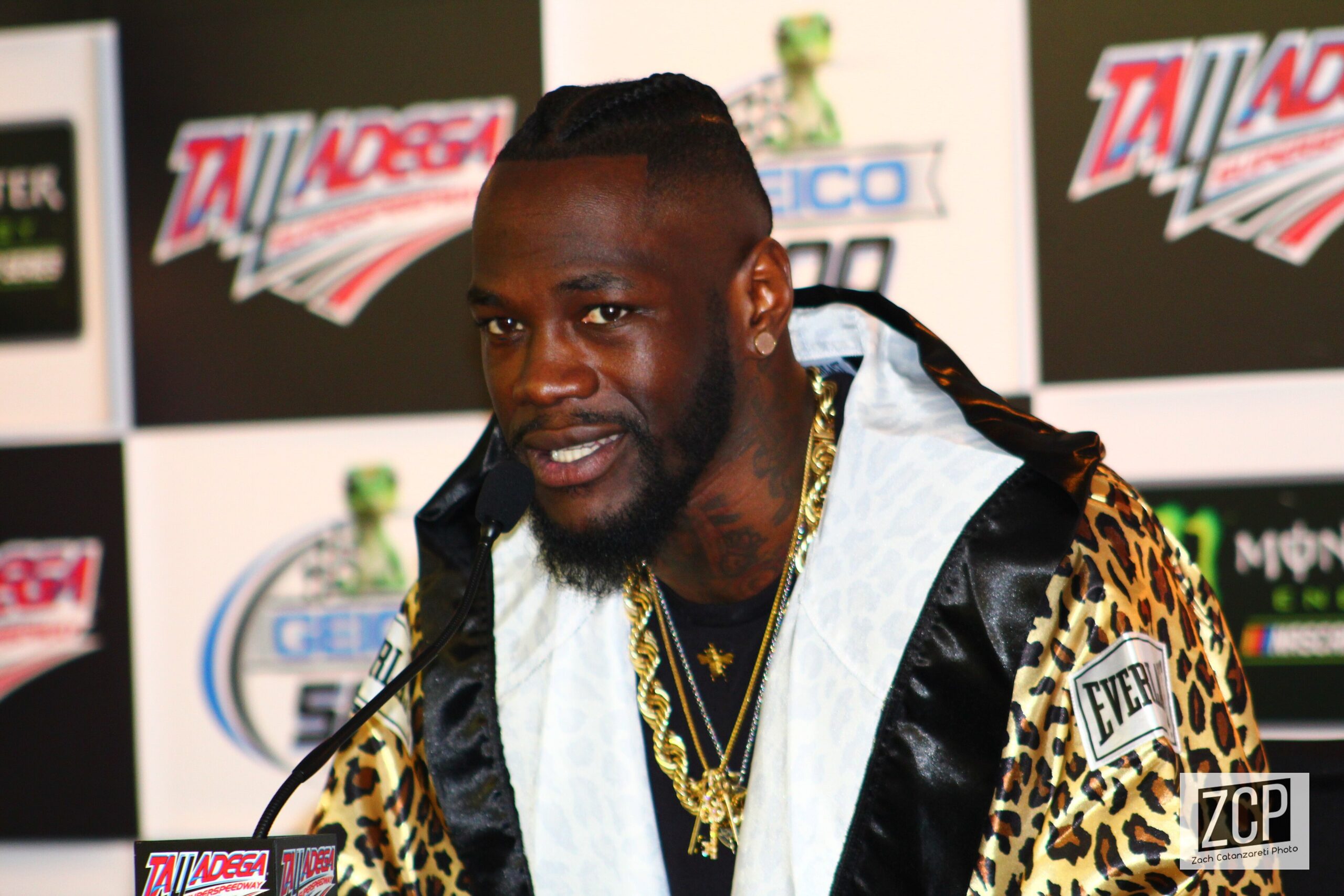
Jai Opetaia may be approaching the most ambitious opportunity of his career. The cruiserweight standout is being discussed as a possible opponent for former heavyweight champion Deontay Wilder on the undercard of Tyson Fury’s long-awaited fight with Anthony Joshua.
The main event is confirmed. Principality Stadium announced that Fury–Joshua is scheduled for December 11, 2026, in Cardiff, subject to licensing, while Sky Sports reported that the event will stream globally on Netflix. The undercard, however, has not been announced, and Wilder–Opetaia remains a proposed matchup rather than an official fight.
That distinction matters because several important details are still missing. There has been no reported confirmation that Opetaia has accepted the fight, no announcement of signed contracts and no disclosure of the contracted weight, purse, bout length or possible title designation.
Still, the discussion presents a fascinating gamble. Wilder would give Opetaia an enormous platform for his heavyweight debut and a recognizable opponent whose vulnerabilities may suit the Australian’s speed and combination punching. He would also expose Opetaia to the kind of power that can erase every technical advantage with one clean right hand.
The danger may extend beyond fight night. If Opetaia adds significant weight for Wilder and then attempts to return quickly to the 200-pound cruiserweight limit, the experiment could affect the speed, conditioning and durability that have made him so difficult to handle in his natural division.
A victory could open heavyweight doors.
The physical cost of pursuing it could reshape Opetaia’s future in two divisions.
The Wilder Fight Is Being Discussed, but It Is Not Official
Sky Sports reported on October 9 that Wilder could appear on the Fury–Joshua undercard, although his opponent had not been confirmed. Subsequent reports have connected him directly to Opetaia, but the available information still falls short of an official announcement.
Dana White told Sky Sports that Opetaia was “more than likely” to appear on the card and identified Wilder as one of the opponents organizers had been discussing and working to secure, according to Boxing News 24/7. White also described the proposed fight as dangerous for Opetaia.
There has been a stronger indication of interest from Wilder’s side. Boxing News 24, citing reporter Dan Rafael’s conversation with Wilder manager Shelly Finkel, reported that Wilder’s team had accepted an offer to face Opetaia at heavyweight and was waiting for approval.
That is significant, but it does not complete the agreement.
An accepted offer from Wilder’s side does not establish that Opetaia has signed, that all contractual terms have been settled or that organizers have approved the matchup. Until the fighters and event promoters announce the bout, Wilder–Opetaia should be treated as an active possibility rather than a confirmed addition to the Cardiff card.
The uncertainty has not prevented analysts from debating the matchup. Former cruiserweight champion Johnny Nelson told talkSPORT Boxing that Wilder would be an appropriate first heavyweight opponent for Opetaia. Nelson predicted that Opetaia’s combination punching could produce a “massive flash-style knockout,” while also acknowledging Wilder’s reputation and remaining ability to end a fight with his power.
That forecast captures the attraction of the bout, but it should not be mistaken for an expected result. Opetaia may have the tools to trouble Wilder. He would still be entering a division where one mistake against this particular opponent could be decisive.
Wilder Offers a Favorable Style Wrapped Around an Extreme Threat
The proposed matchup makes sense because Opetaia’s strongest qualities appear suited to exploiting the weaknesses that can surface against an older, less active heavyweight.
Opetaia works with speed, sustained combinations and an ability to create pressure without relying exclusively on size. Against a fighter who may need time and distance to set up his most dangerous punch, that activity could prevent Wilder from becoming comfortable. If Opetaia can change angles after attacking, force Wilder backward and make him reset repeatedly, he may be able to control long portions of the fight.
That is presumably what informs Nelson’s knockout prediction. Combination punchers do not always need to overpower a larger opponent with a single shot. They can create a stoppage by breaking rhythm, multiplying openings and landing the punch that the opponent fails to see after reacting to the first two or three.
Wilder, however, is not a conventional test for a cruiserweight entering the heavyweight division.
He can lose exchanges, surrender rounds and appear technically uncomfortable without becoming harmless. His right hand gives him a route back into a fight that does not depend on sustained success. Opetaia could be quicker, busier and more accurate, yet still find himself in danger whenever he remains directly in front of Wilder or exits an exchange without protecting himself.
That makes Wilder simultaneously attractive and severe as a heavyweight debut. He is a major name with identifiable technical vulnerabilities, but he also possesses the exact weapon most capable of punishing uncertainty about Opetaia’s heavyweight durability.
Opetaia would not merely be testing whether his speed carries upward. He would be testing whether his defense remains disciplined against a longer, naturally larger puncher and whether his body can absorb heavyweight force when defense fails.
Nelson may ultimately be correct that Opetaia’s combinations could produce a sudden finish. It is equally possible that one Wilder right hand could override everything Opetaia had accomplished beforehand.
Neither outcome should be treated as settled before the fight is even official.
A Victory Would Elevate Opetaia Without Answering Every Heavyweight Question
If Opetaia defeats Wilder convincingly on the Fury–Joshua undercard, the commercial benefits could be immediate.
The setting would place him before a global audience on an event built around two of the most recognizable British heavyweights of their generation. Beating a former heavyweight champion on that stage would introduce Opetaia to viewers who may not closely follow the cruiserweight division and give promoters a significant result around which to build future opportunities.
It would also demonstrate that his style can function against at least one dangerous heavyweight. If Opetaia preserves his movement, maintains his combinations and handles Wilder’s power without losing control of the fight, he would emerge as more than a cruiserweight making a temporary appearance.
But one victory would not automatically establish him as an elite full-sized heavyweight.
Wilder represents a distinctive challenge, not a complete examination of the division. Success against him would not prove that Opetaia can manage the size, pressure, clinching and physical attrition presented by every other heavyweight opponent. A fighter can be well suited to one recognizable name without being prepared for the entire division.
The consequences of defeat would be equally complicated. Losing a competitive fight would not erase Opetaia’s achievements at cruiserweight, particularly if he performed well before being caught. A damaging knockout, however, could interrupt his momentum and create questions about whether the heavyweight experiment affected his durability or confidence.
The proposed bout would not settle Opetaia’s long-term divisional future either. It would not eliminate any cruiserweight obligations, guarantee a permanent move to heavyweight or secure a future fight with David Benavidez.
Boxing News 24 has described Benavidez–Opetaia as a possibility, not a signed agreement. Until contracts exist, it remains another potentially significant matchup competing with the Wilder opportunity for space in Opetaia’s future.
Returning to 200 Pounds Could Be the Greater Gamble
Broadcaster Chris Mannix has focused on what could happen after the proposed Wilder fight. According to Boxing News 24, Mannix estimated that Opetaia might weigh approximately 210 to 212 pounds at heavyweight and questioned the wisdom of adding muscle before attempting to return to the 200-pound cruiserweight limit within roughly six months.
The concern is legitimate, even if the consequences remain uncertain.
Moving up does not require Opetaia to become a massive heavyweight, and weighing around Mannix’s estimate would represent a relatively modest increase compared with the size carried by many opponents in the division. The problem is not simply the number on the scale. It is how Opetaia reaches that number, how much of the added mass his body retains and what he must do to remove it afterward.
If he adds functional weight gradually, preserves his conditioning and avoids changing the mechanics of his movement, the transition may be manageable. If he attempts to build muscle rapidly for one fight and then cuts back to cruiserweight on a compressed schedule, the process could affect the qualities that separate him at 200 pounds.
Additional mass can place greater demands on endurance. A difficult return cut can reduce energy and potentially influence punch resistance. Changes in body composition may also alter the quick feet and sharp combinations that would be central to beating Wilder in the first place.
None of those outcomes is guaranteed.
Opetaia could move up, perform brilliantly and return to cruiserweight without any visible decline. Fighters’ bodies respond differently to divisional changes, and there is no confirmed contracted weight or schedule establishing exactly how this proposed move would be managed.
That is why the most revealing evidence would not come exclusively against Wilder.
If the fight happens, Opetaia should be judged on whether his movement remains fluid, whether he can sustain his activity and whether the added weight strengthens him without slowing his combinations. His next cruiserweight appearance would then show whether he can return to 200 pounds with the same stamina, speed and durability he possessed before the experiment.
An official announcement must come first. The terms would clarify whether this is effectively a one-fight heavyweight opportunity or the beginning of a more permanent transition.
Until then, the debate is built around possibility. The reward is obvious, but the physical plan required to pursue it remains unknown.
LET’S TALK ABOUT IT
Is Deontay Wilder the right opponent for Jai Opetaia’s heavyweight debut, or is Wilder’s punching threat too severe for an experiment in a new division?
And if Opetaia beats Wilder, should he remain at heavyweight rather than rushing back to cruiserweight for a possible fight with David Benavidez?
Outlets cited in this story
- Boxing News 24
- Sky Sports
- talkSPORT
Spot an error? Send a correction. We fix mistakes in the open.