Jai Opetaia Explores Deontay Wilder Heavyweight Fight — But the Gamble Could Redefine His Ceiling

Jai Opetaia may be considering the most dangerous possible introduction to heavyweight boxing.
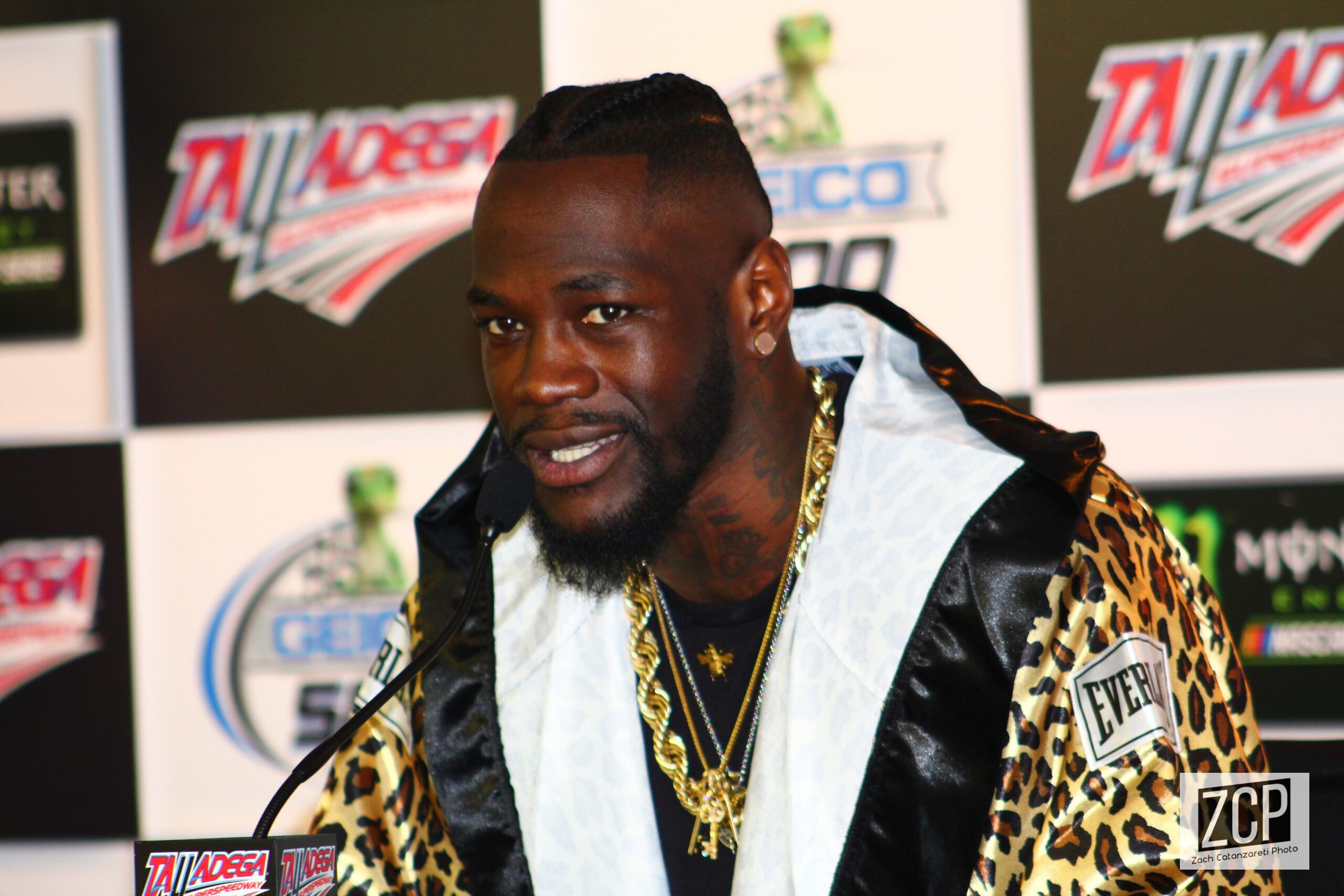
The unbeaten cruiserweight champion is reportedly exploring a fight with former WBC heavyweight champion Deontay Wilder for the December 11 Tyson Fury–Anthony Joshua undercard at Principality Stadium in Cardiff, Wales. Inside The Ring reported the development on October 8, attributing the information to unnamed sources who spoke with The Ring’s Mike Coppinger. Boxing News, BoxingNews24 and Boxing 247 subsequently covered the proposed matchup.
For now, that is all it is: a proposed matchup.
Neither fighter nor the event organizers has announced an agreement. No contracted weight, number of rounds, purse or championship stakes have been reported. Netflix has confirmed that Fury and Joshua will headline in Cardiff on December 11, but its official event information says the remaining card will be announced later.
That distinction matters because the discussion is already much larger than the evidence. Opetaia has not officially committed to moving up, and Wilder has not been confirmed as his opponent. If the fight is finalized, however, Opetaia would be bypassing the cautious route most fighters take into a heavier division.
He would be using one of boxing’s most destructive punchers to discover whether his cruiserweight dominance can survive at heavyweight.
The Report Changes Opetaia’s Ambition, Not His Division Yet
The most important confirmed development is the event itself. Netflix announced on September 25 that Fury–Joshua will take place at Principality Stadium and stream globally on December 11. Everything surrounding Opetaia and Wilder remains dependent on an official announcement.
According to Inside The Ring’s report, Opetaia is exploring the fight rather than completing it. Boxing News and BoxingNews24 also discussed the possibility, but neither reported that contracts had been signed. There is no confirmed purse, agreed weight or information establishing whether the bout would carry any title implications.
There is also no official answer regarding Opetaia’s cruiserweight future.
A heavyweight appearance would immediately create questions about whether he intends to continue defending his position at 200 pounds, divide his time between two weight classes or leave cruiserweight behind. None of those decisions should be assumed from a report that he is considering one fight.
What the report does reveal is the scale of the opportunity apparently under consideration.
Opetaia is not being linked with a routine heavyweight debut against an opponent selected primarily to help him adjust. He is being connected to Wilder, a former champion whose reputation was built on the ability to end fights with a single right hand. Even at this stage of Wilder’s career, choosing him as a first heavyweight opponent would be an aggressive declaration of intent.
It would also be a risk that cannot be fully measured by comparing records.
Wilder Would Eliminate the Usual Transition Period
Cruiserweights moving into the heavyweight division normally face questions that cannot be answered until they compete there. Additional weight may affect their speed, endurance and movement. Punching power that controlled opponents at cruiserweight may not produce the same reaction from naturally larger men. Defensive mistakes can also become more expensive when the punches coming back carry heavyweight force.
A gradual transition gives a fighter time to answer those questions under controlled conditions.
Wilder would provide no such protection.
If the proposed fight takes place, Opetaia would need to prove that his speed remains effective while carrying whatever weight he chooses for the contest. He would have to establish whether his power is strong enough to command Wilder’s respect. He would also need to demonstrate that he can manage distance without allowing Wilder to create the opening for his right hand.
Most importantly, Opetaia would have to show that he can absorb heavyweight punches.
Nothing in his cruiserweight record can settle that question in advance. Success against elite opponents at 200 pounds proves that Opetaia can perform at the highest level of his current division. It does not automatically prove that his body will respond the same way when a larger opponent lands cleanly.
That uncertainty is what would make the matchup compelling. Opetaia’s skills could present Wilder with serious problems, particularly if he can control the pace, create angles and prevent the former champion from setting his feet. Wilder, however, would not need to win every exchange to change the fight. Opetaia could box well for long periods and still face the possibility that one mistake would decide the outcome.
The proposed contest would not be a gentle experiment.
It would be an immediate examination of Opetaia’s heavyweight ceiling.
Their Records Explain the Attraction but Not the Outcome
The Ring lists Opetaia at 31-0 with 24 knockouts following his ninth-round stoppage of Noel Mikaelian on September 12. That record captures the momentum behind him: an unbeaten champion with proven finishing ability who appears to be searching for challenges beyond the limits of his current division.
Wilder enters the discussion with a very different kind of momentum. The Ring records him at 45-4-1 with 43 knockouts after his split-decision victory over Derek Chisora at London’s O2 Arena on April 4.
Those numbers explain why the matchup would command attention.
Opetaia offers the unbeaten record, championship credibility and possibility of a new force entering the heavyweight picture. Wilder brings the established heavyweight name and a knockout record that makes every contest dangerous regardless of how the preceding rounds unfold.
The records do not tell us how Opetaia will react to Wilder’s physical strength or power. They also do not establish that Wilder, after a difficult fight with Chisora, would automatically control an opponent with Opetaia’s speed and technical ability.
Both men would be entering with something significant to prove.
For Opetaia, victory would do far more than establish that he can compete above cruiserweight. Defeating a former heavyweight champion in his divisional debut could immediately transform him into a major attraction and place him near meaningful heavyweight opportunities without requiring a long rebuilding process.
A defeat would create a more complicated picture.
Losing to Wilder would not erase what Opetaia has accomplished at cruiserweight, particularly because he would be taking an unusually ambitious first step into a new division. It could, however, damage the unbeaten aura that currently strengthens his position and force difficult decisions about whether to continue at heavyweight or return to 200 pounds.
Wilder’s risk may be just as serious.
Beating an unbeaten cruiserweight champion would strengthen his position after the Chisora victory and keep his name connected to major heavyweight events. Losing to a fighter making his heavyweight debut would raise much harsher questions about how much Wilder has left and whether his power can still compensate when a skilled opponent denies him clean opportunities.
The danger runs in both directions, even if it takes a different form for each fighter.
An Official Announcement Must Come Before the Conclusions
Boxing rumors often begin producing analysis before the basic terms of a fight exist. Opetaia–Wilder is already an intriguing idea, but an intriguing idea is not a signed contest.
Several essential details remain unknown.
There has been no confirmation that both fighters have agreed to terms. There is no reported contracted weight, and the number of rounds has not been disclosed. No purse figures have been released. There is no indication that a championship would be involved, and Opetaia has not announced what would happen to his cruiserweight titles if he moved up.
Even the matchup’s position on the Fury–Joshua event remains unofficial. Netflix confirms the date, location and main event, but says the rest of the card is still to come.
Until those questions are answered, the responsible description is that Opetaia is reportedly exploring the fight.
The report nevertheless changes the way his ambitions can be viewed. Moving to heavyweight at some point would not be surprising for a dominant cruiserweight seeking bigger challenges and greater attention. Considering Wilder for the first attempt suggests that Opetaia may not be interested in spending several fights testing the division cautiously.
That approach deserves respect, but ambition cannot serve as evidence.
Opetaia’s speed may remain a major advantage. His combinations may still carry enough force to discourage a heavyweight. His movement and timing may make him difficult for Wilder to catch cleanly. All of that is possible.
It is equally possible that heavyweight strength changes the exchanges, that Opetaia’s punches produce less respect or that Wilder finds the right hand before Opetaia receives enough time to settle into the division.
No report, record or comparison can answer those questions.
Only the fight can.
LET’S TALK ABOUT IT
Would defeating Deontay Wilder in his heavyweight debut immediately establish Jai Opetaia as a genuine contender, or would he still need to prove himself against another leading natural heavyweight?
And is facing one of boxing’s most dangerous punchers the right way for Opetaia to discover his heavyweight ceiling, or an unnecessary gamble while major opportunities remain at cruiserweight?
Outlets cited in this story
- BoxingNews24
- Boxing News
- Boxing 247
- The Ring
Spot an error? Send a correction. We fix mistakes in the open.