Joshua Buatsi and Willy Hutchinson to Fight for Vacant WBC Title — But the Belt Cannot Settle Their Debate

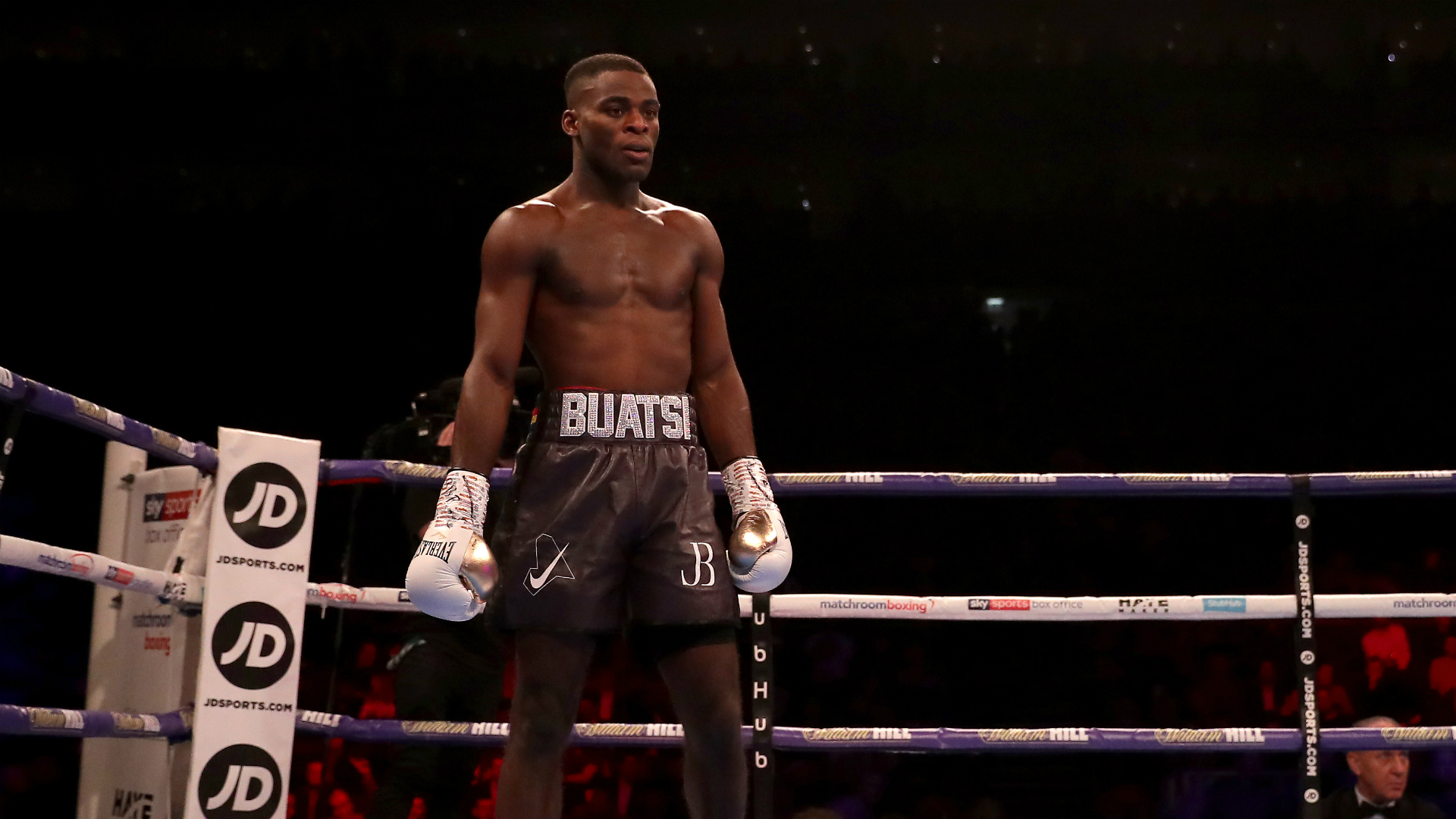
Joshua Buatsi and Willy Hutchinson are expected to fight for the vacant WBC light-heavyweight championship on November 7 at Manchester’s AO Arena, transforming their rematch from an interim-title contest into an immediate opportunity to become a full world champion.
The WBC announced the change on October 9 while addressing the future of David Benavidez, who informed the organization that he intends to continue his career at cruiserweight. Boxing News and BoxingNews24 also report that Buatsi–Hutchinson II has been elevated to a fight for the vacant full title after initially being announced for the interim belt. DAZN is the reported broadcaster.
There is, however, an administrative contradiction that the WBC still needs to resolve. Its divisional-status announcement describes the championship as vacant, while a separate WBC article published on the same day continues to promote Buatsi–Hutchinson II as an interim-title fight. The available reporting supports the full-title designation, but the conflicting language means the precise status should be formally clarified before either fighter is presented without qualification as competing for the full championship.
Whatever the WBC ultimately calls the belt, the competitive argument is already clear.
Buatsi defeated Hutchinson by split decision in their first meeting and scored two knockdowns along the way. Yet one judge still awarded the fight to Hutchinson, preserving enough disagreement to make the rematch more than a routine repeat. If a full world title is now attached, Buatsi will be fighting for something larger than official recognition. He will be trying to turn a disputed victory into a convincing championship statement.
Benavidez’s Cruiserweight Decision Changed the Stakes
The opportunity became available after Benavidez informed the WBC that he plans to remain at cruiserweight. The organization also confirmed him as the challenger to WBC cruiserweight champion Michal Cieslak, giving Benavidez a defined path in his new division while reshaping the light-heavyweight championship picture behind him.
Boxing News reports that Benavidez relinquished his remaining light-heavyweight title, allowing the Buatsi–Hutchinson rematch to be upgraded from an interim contest to a fight for the vacant full championship. The WBC’s divisional-status announcement reaches the same practical conclusion, sanctioning the November 7 bout for its vacant light-heavyweight title.
The exact administrative mechanism remains less certain. The reviewed announcements do not clearly establish whether Benavidez completed a formal act of relinquishment or whether the WBC declared the championship vacant after being notified of his intention to continue at cruiserweight. The organization also said Benavidez reserves the right to challenge for its light-heavyweight title in the future, adding another layer to an already unusual transition.
That uncertainty does not diminish the opportunity in front of Buatsi and Hutchinson. It does demonstrate how sanctioning-body administration can complicate a development that should be simple to explain.
One champion has moved into another division. Two contenders are scheduled to fight for the title he left behind.
The WBC should be able to state that consistently across its own platforms.
Buatsi Won the First Fight Without Creating Complete Closure
Buatsi and Hutchinson first met on September 21, 2024, at Wembley Stadium. According to the WBC, Buatsi scored knockdowns in the sixth and ninth rounds before receiving a split-decision victory.
The official scorecards were dramatically different. Two judges favored Buatsi by margins of 117-108 and 115-110, while the third scored the fight 113-112 for Hutchinson.
Those numbers explain why the result continues to invite debate. Buatsi produced the fight’s clearest scoring moments by putting Hutchinson on the canvas twice, and two judges believed he won comfortably. That is substantial evidence in support of his victory. The official result was not built solely on reputation, promotional preference or a single narrow card.
But the split verdict prevented the fight from delivering complete competitive closure.
One judge believed Hutchinson did enough across the remaining rounds to overcome both knockdowns and win the contest. That card did not change the result, but it gave Hutchinson a credible basis for believing the widest scores overstated Buatsi’s control. It also left space between what happened officially and what each fighter still needs to prove.
Calling the first result controversial does not require calling it a robbery. Buatsi won, and the two knockdowns strengthened his case. The disagreement concerns how clearly he established himself as the superior fighter, not whether his most important moments actually happened.
Now the rematch gives him the chance to remove that distinction.
A knockout is not required. Buatsi could settle the argument with a disciplined, decisive decision that demonstrates control over the pace, positioning and meaningful exchanges. What he cannot afford, if he wants genuine authority, is another fight in which the official verdict creates as many questions as it answers.
Hutchinson Can Turn a Split Decision Into a Championship Reversal
Hutchinson enters the rematch with an official loss, but not without a legitimate case for another opportunity.
His argument begins with the judge who scored the first fight in his favor. It continues with the fact that the WBC’s October 2 rankings placed him at No. 7 in the light-heavyweight division, five weeks before the scheduled rematch. The WBC lists his professional record at 20-2 with 14 knockouts.
Those credentials do not erase the two knockdowns or automatically prove that Hutchinson deserved the original decision. They establish that he remains a ranked contender with enough power and competitive credibility to make the second fight meaningful.
Beating Buatsi now would accomplish far more than avenging a defeat. If the full-title designation is confirmed, Hutchinson would become WBC champion while validating the belief that the first contest failed to establish a lasting difference between them. A victory would make the 113-112 card for Hutchinson look less like an isolated opinion and more like an early indication that the matchup was always closer than the two wide cards suggested.
Hutchinson must still confront the most damaging evidence from their first meeting. He was dropped twice. Even if he believes he won enough of the other rounds, those moments gave Buatsi control over both the scoring and the visual story of the fight.
The rematch therefore asks something different of Hutchinson. Competing closely may have been enough to justify another chance, but it will not guarantee a championship. He must avoid conceding the decisive moments that allowed Buatsi to separate himself the first time.
A world-title opportunity creates pressure, but it also removes Hutchinson’s last excuse. He has the rematch. He knows what Buatsi can do. If he believes the first decision overstated the difference between them, November 7 is his opportunity to prove it.
The Title Upgrade Changes the Reward, Not the Evidence
The reported elevation of the fight changes its consequences immediately. The winner is expected to leave Manchester as the WBC light-heavyweight champion rather than an interim titleholder awaiting another administrative decision.
It does not rewrite the first fight.
Buatsi remains the official winner. Hutchinson remains the fighter who lost after being knocked down twice. The disagreement created by the split decision also remains, regardless of the championship designation attached to the rematch.
The WBC lists Buatsi at 20-1 with 13 knockouts and ranked him No. 3 in its October 2 update. Those numbers position him as the higher-ranked contender and the man carrying the previous victory into Manchester. They also increase the expectation that he should be able to produce a more definitive performance the second time.
A belt would confirm Buatsi’s status within the WBC. It would not automatically establish him as the unquestioned authority at light-heavyweight, especially if he wins another disputed decision.
That distinction matters because boxing too often allows official designations to replace competitive evaluation. A fighter can be recognized as champion while still carrying unresolved questions about the opponent standing directly across from him. Buatsi’s challenge is to make the belt feel like confirmation of what happened in the ring rather than an administrative prize placed on top of another uncertain verdict.
The same standard applies to Hutchinson. Winning the title would reverse the direction of their rivalry, but another close or disputed result would not necessarily prove that he had always been the better fighter. It could simply produce a champion with unfinished business.
No mandatory-defense requirement for the winner has been confirmed in the reviewed sources. Contracted purses and a finalized undercard have not been established either. Those details may shape what follows, but they are not necessary to understand what is at stake now.
The rematch itself is the evidence both men need.
A clear Buatsi victory would reinforce the official result from 2024 and suggest that the split verdict gave Hutchinson’s case more life than it deserved. A Hutchinson victory would demonstrate that the first fight never established Buatsi as definitively superior. A second controversial decision would deepen the argument no matter whose hand is raised.
LET’S TALK ABOUT IT
Does Buatsi need a dominant victory to validate the first result, or were his two knockdowns already enough to establish him as the better fighter?
Can Hutchinson turn one favorable scorecard from their first meeting into a full championship reversal, and should the WBC clarify the belt’s designation before promoting either man as fighting for the full world title?
Outlets cited in this story
- BoxingNews24
- Boxing News
- DAZN
Spot an error? Send a correction. We fix mistakes in the open.