
Nelson Asofa-Solomona Scored His Biggest Win — But the Chaos Created His First Real Boxing Test

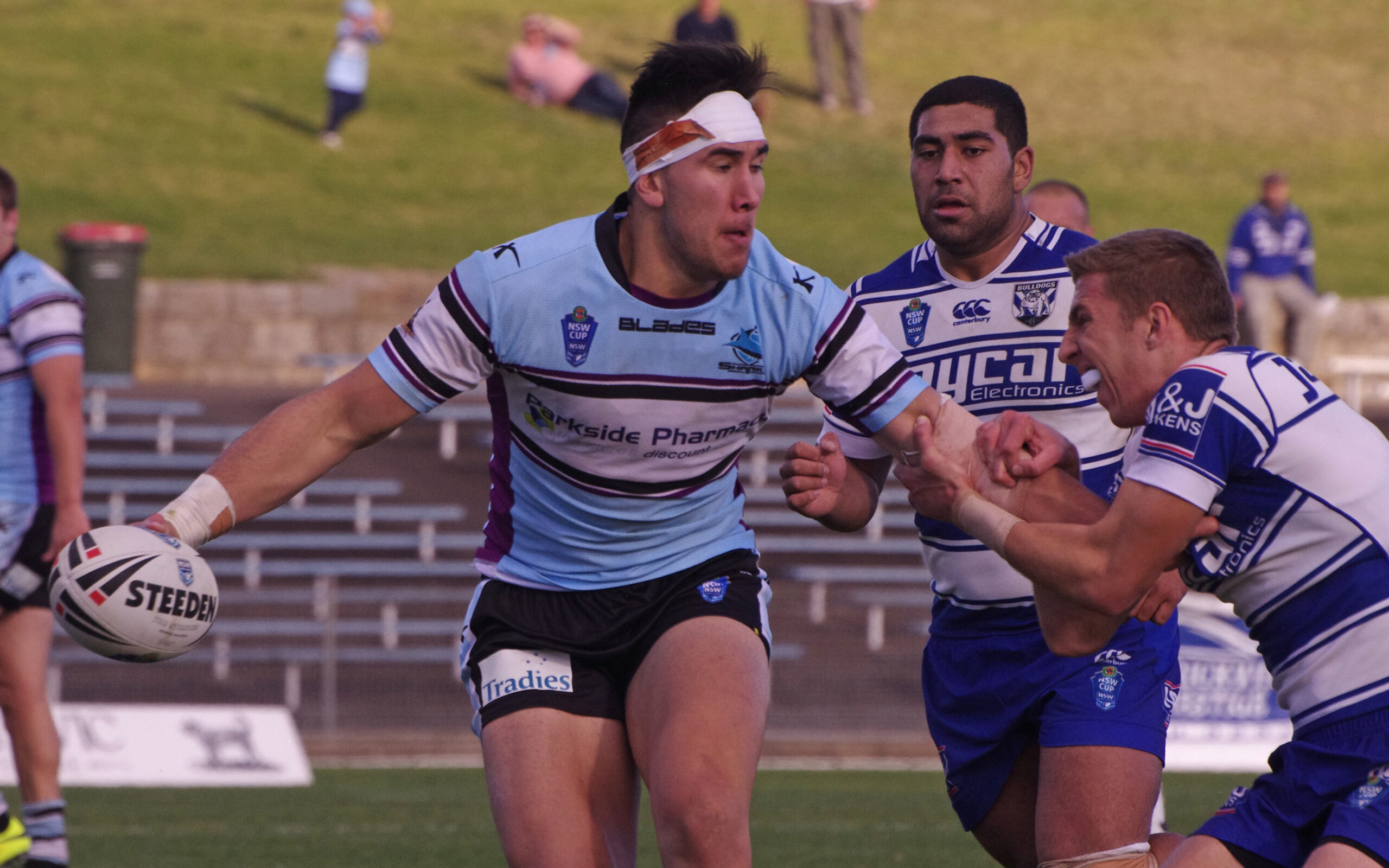
Nelson Asofa-Solomona needed less than one round to secure the most visible victory of his young boxing career. He then needed only a few more moments to make the knockout almost secondary.
Asofa-Solomona stopped Paul Gallen at 2:56 of the first round on November 6 at Sydney’s TikTok Entertainment Centre, according to ABC Sport. The former rugby league rivals entered the bout at dramatically different stages of their boxing journeys: Asofa-Solomona was an unbeaten novice with enormous physical power, while Gallen was an experienced but retiring veteran taking the final fight of his professional career.
The finish should have been Asofa-Solomona’s introduction to a larger boxing audience. Instead, scrutiny immediately shifted to a final punch delivered as Gallen was collapsing, followed by Asofa-Solomona leaving the ring and confronting a spectator.
Asofa-Solomona later apologized for entering the crowd and alleged that a spectator had made a racist gesture. He also said it appeared something may have been thrown at him. Those allegations had not been independently confirmed in the reviewed reporting, and NSW Police are investigating the confrontation.
Gallen, meanwhile, was taken to hospital after the knockout. On November 7, he said he had returned home without a headache or concussion symptoms, considered himself healthy and was officially retiring.
Asofa-Solomona won the fight decisively. What happened during and immediately after the stoppage, however, created a much more complicated test of his judgment, discipline and future in boxing.
The Final Punch Deserves Review, Not a Premature Verdict
Nine reported that Asofa-Solomona hurt Gallen with a right hand before following with a series of uppercuts. The final blow landed as Gallen was going down and referee Chris Condon moved to intervene.
That sequence produced immediate criticism because boxing distinguishes between continuing an attack against an opponent who is still defending himself and striking an opponent who is already down or in the process of rising. ABC Sport cited an Australian National Boxing Federation rule identifying a blow against a downed or rising opponent as a foul.
The available facts still require careful language.
No official ruling or sanction concerning Asofa-Solomona’s final punch had been announced in the reviewed reporting. It would therefore be inaccurate to declare that the blow was officially ruled illegal or that it changed the legitimacy of the knockout.
There is also a practical difficulty in evaluating fast finishes. Fighters are trained to continue until the referee stops the action, and the difference between an opponent falling under continued pressure and becoming legally down can unfold in a fraction of a second. That does not make every late blow acceptable, but it explains why the sequence should be reviewed by the appropriate officials rather than decided entirely through slowed-down video and public reaction.
Asofa-Solomona’s responsibility was still clear: remain aware of the referee, recognize when Gallen could no longer intelligently defend himself and stop punching when the intervention began.
That awareness is part of professional boxing.
Power can end a fight, but control determines whether that power is being used within the sport’s rules. If ringside officials recorded a foul, or if the Combat Sports Authority of NSW later reviews the punch, that process should establish what happened and whether any response is warranted. Until then, the proper conclusion is that the final blow drew legitimate scrutiny without having been officially declared illegal.
The Crowd Confrontation Became the Larger Problem
The scene outside the ropes was less ambiguous in one important respect: multiple reports and video accounts showed Asofa-Solomona entering the crowd and confronting a spectator.
Fox Sports reported that he appeared to pull back before making contact. Asofa-Solomona said afterward that he needed to watch the replay and was uncertain about exactly what had happened. He apologized for entering the crowd, acknowledged that he had lost control in the moment and said he would handle the situation differently if given another opportunity.
His explanation also included a serious allegation. Asofa-Solomona told reporters that a spectator had made what he described as an “ape gesture,” and he said it appeared someone may have thrown something at him.
Neither allegation had been independently verified in the reviewed reports.
That distinction matters because alleged racial abuse should not be minimized, but it also should not be reported as established fact before video, witnesses or venue evidence confirm it. If the allegation is supported, Asofa-Solomona would have every right to make a formal complaint and expect the incident to be investigated seriously.
It would also help explain the emotion behind his reaction.
It would not make entering the crowd a safe decision.
A professional heavyweight moving toward spectators creates an immediate risk to everyone in the area, including people who played no role in the alleged provocation. Security personnel, event officials and other spectators can all be pulled into a confrontation that becomes more dangerous with each additional participant.
The Brisbane Times reported that NSW Police spoke with the spectator and were investigating the events outside the ring. The report also said event officials escorted Asofa-Solomona from the venue. The Combat Sports Authority of NSW, which had jurisdiction over the event, declined to comment when contacted by the newspaper.
No Limit Boxing chief George Rose told AAP that the promoter would speak with Asofa-Solomona before deciding whether he wanted to pursue a complaint concerning the alleged racial abuse.
Those are separate issues that should remain separate. Authorities can investigate whether a spectator made a racist gesture or threw an object while also examining Asofa-Solomona’s decision to enter the crowd. Taking one allegation seriously does not require dismissing the other conduct.
The Knockout Raised His Profile More Than His Heavyweight Standing
Before the fight, ABC Sport listed Asofa-Solomona at 3-0 with three knockouts and Gallen at 16-2-1 with eight knockouts. The victory apparently moves Asofa-Solomona to 4-0 with four knockouts, although an official post-fight record source would still be needed to confirm that update.
The result demonstrates something that was already apparent: Asofa-Solomona possesses unusual size and genuine finishing power.
It does not establish him as a legitimate heavyweight contender.
Gallen brought far more professional boxing experience into the ring, but he was also completing his career. After leaving hospital, he told the Brisbane Times that his final record was 16 wins, three losses and one draw and confirmed that he was retired.
That context limits how much can responsibly be projected from the knockout. Asofa-Solomona defeated a recognizable and experienced opponent, but he did not defeat an active heavyweight building toward a ranking or title opportunity.
The official weigh-in figures add another limitation. ABC Sport recorded Asofa-Solomona at 137.56 kilograms and Gallen at 104.18 kilograms—a difference of 33.38 kilograms.
The size advantage does not invalidate the result. Both men agreed to the bout, Gallen entered with the deeper boxing record, and Asofa-Solomona still had to convert his physical advantages into a finish.
But the gap matters when evaluating what the performance predicts.
Asofa-Solomona was able to pressure a substantially smaller opponent and end the fight before questions about his stamina, defense or adaptability could develop. He was not required to solve an active heavyweight near his own dimensions, recover from losing rounds or maintain composure after his first attacks failed.
No verified purse figures or post-fight rankings were available in the reviewed reporting. There is therefore no factual basis for claiming the victory placed Asofa-Solomona in a particular rankings position or produced a specific financial reward.
It made him more visible.
Visibility and contention are not the same thing.
His Next Opponent Can Provide the Sporting Answer
The clearest way for Asofa-Solomona to build on this result is to face an active heavyweight boxer rather than another retiring crossover name.
That does not mean he should immediately be placed against an elite contender. With only a handful of professional bouts, he still needs development. Matchmaking should test him progressively without pretending that one explosive knockout has completed his education.
The next meaningful opponent should be able to make him defend, reset his feet and work beyond the opening round. Asofa-Solomona needs rounds against someone capable of resisting his first surge, returning punches and forcing him to make decisions under pressure.
Such a fight could answer questions the Gallen bout never reached.
Can Asofa-Solomona preserve his power after several rounds? Can he close distance against a boxer with disciplined movement? What happens when an opponent survives his uppercuts and attacks his body? Can he remain composed when a fight becomes frustrating?
The last question now carries additional weight.
Composure is not separate from boxing ability. A heavyweight must control his aggression when an opponent is falling, respond to the referee and remain inside the ring regardless of what is being shouted from the crowd. Those responsibilities are not cosmetic additions to a fighter’s skill set. They are fundamental to competing safely and professionally.
Before Asofa-Solomona’s next fight can fully define his sporting future, the current investigations may shape his immediate options. NSW Police could take action or conclude the matter without charges. The Combat Sports Authority could review the crowd incident, the final punch, both or neither. Evidence could support his allegations concerning the spectator, or those claims could remain unconfirmed.
None of those outcomes should be predicted before the relevant authorities complete their work.
Asofa-Solomona’s response is already within his control. He can cooperate with investigators, pursue a formal complaint if he believes racial abuse occurred, accept responsibility for entering the crowd and demonstrate that his apology represents more than damage control.
That process will reveal something important about his readiness for the attention that follows bigger fights.
LET’S TALK ABOUT IT
Did Asofa-Solomona’s knockout of Gallen make him a legitimate heavyweight prospect, or does he still need to defeat an active boxer before that conversation can begin?
How should authorities weigh his apology and the unconfirmed allegation of racist abuse when reviewing the crowd confrontation?
Outlets cited in this story
- AAP
Spot an error? Send a correction. We fix mistakes in the open.