Shakur Stevenson Has His First Mandatory at 140 — But the WBO Order Tests More Than His Skill
 Elijah StoneBoxing Writer, 13 years ringside
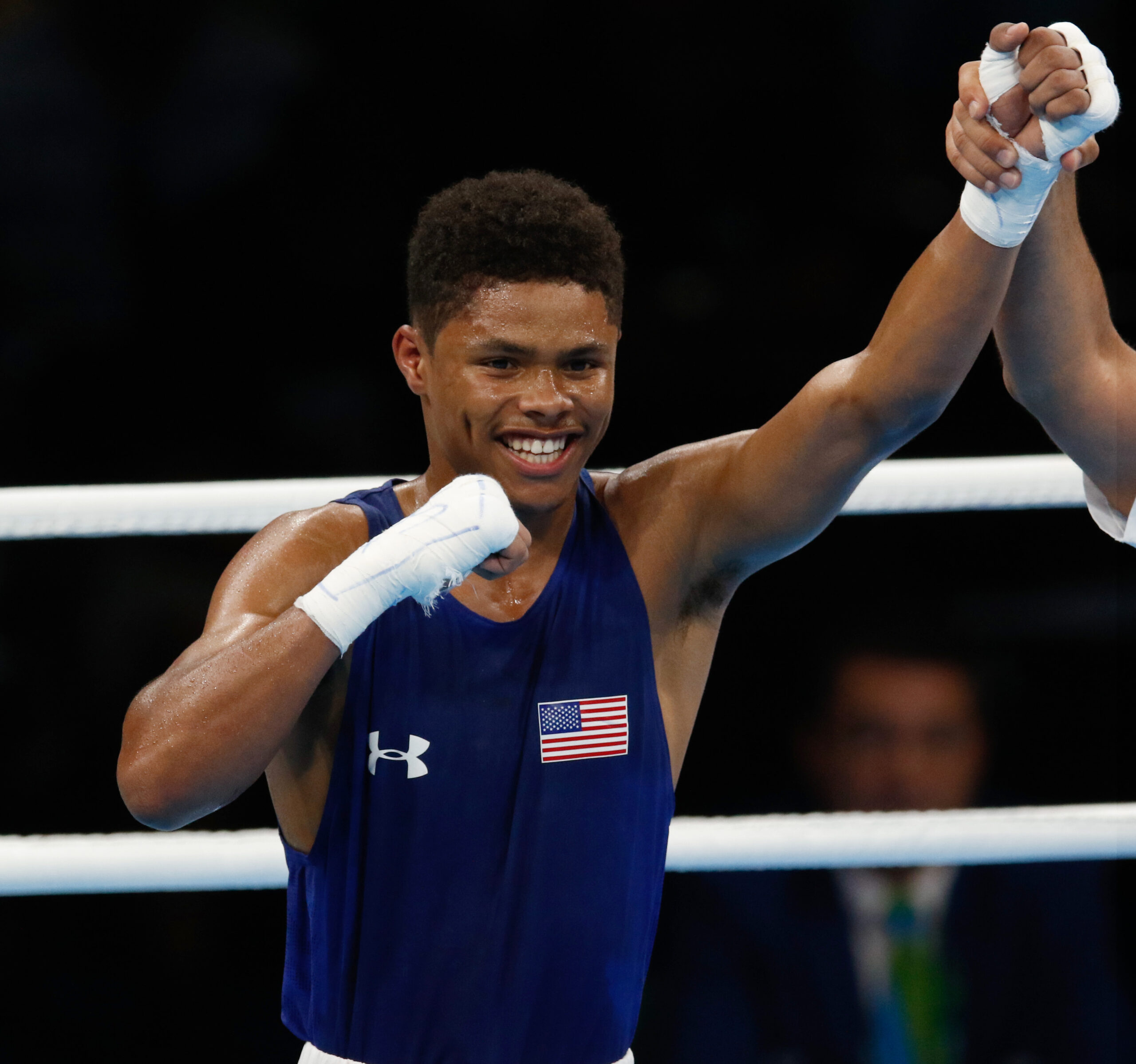
Shakur Stevenson has the WBO junior-welterweight championship. Now he has the obligation that comes with it.
The WBO World Championships Committee formally ordered Stevenson and designated mandatory challenger Raymond Muratalla to begin negotiations on October 27. The ruling gives Muratalla an official route to challenge for the title Stevenson won from Teofimo Lopez, while placing Stevenson’s control of his new division under examination for the first time.
But the distinction matters: the WBO ordered negotiations, not the fight itself.
Stevenson and Muratalla have until November 16 at 4 p.m. Atlantic Standard Time to reach an agreement. If they cannot settle the terms, the WBO’s published order says the next step will be purse-bid proceedings. Either party can also request a purse bid before the deadline.
No purse, venue, fight date or contractual terms have been announced. Stevenson has not signed to defend against Muratalla, and the expiration of the negotiation period would not automatically cost him the championship.
The WBO has started the process. What happens next will test how much authority Stevenson’s belt gives him at the negotiating table—and, if the fight is completed, how firmly he can establish himself inside the ring.
The WBO Has Created a Path, Not a Completed Fight
The WBO’s October 27 notice identified Stevenson as its reigning junior-welterweight champion and Muratalla as the designated mandatory challenger. The committee gave the parties 20 days to negotiate acceptable terms before moving toward a purse bid.
That language is more important than some of the reaction surrounding the order.
A mandatory ruling can make a matchup more likely because it establishes consequences and a formal timetable. It does not settle the financial arrangement, determine which promoter controls the event or guarantee that both fighters will ultimately enter the ring. Those questions still have to be resolved through negotiation or the purse-bid process.
The WBO addressed its order to Top Rank chairman Bob Arum and general counsel Jeremy Koegel, along with Stevenson manager James Prince and attorney Josh Dubin. That distribution reflects the number of business interests involved before a championship fight can become official.
It also explains why the November 16 deadline should not be treated as a date on which Stevenson automatically loses his title. The WBO’s published order identifies purse-bid proceedings as the next step if the parties fail to reach an agreement. Further disputes or noncompliance could eventually produce additional rulings, but those possibilities are not the same as an automatic forfeiture when the negotiation period ends.
For now, Stevenson remains the champion, Muratalla remains the designated challenger and the camps have a defined window in which to make a deal.
That is significant progress.
It is not a signed fight.
Muratalla’s Team Used the WBO Process to Secure His Opportunity
Muratalla’s position did not emerge without action from his side.
According to Dan Rafael, Top Rank submitted an October 22 letter asking the WBO to designate Muratalla as Stevenson’s mandatory challenger and order the championship defense. Five days later, the sanctioning body formally directed the parties to begin negotiations.
WBO president Gustavo Olivieri said the committee unanimously approved the negotiations and described Muratalla as the organization’s No. 1-rated contender, according to Boxing 24/7. That decision gives Muratalla something every challenger needs: a recognized route to the champion that does not depend entirely on whether the champion’s team voluntarily selects him.
Rafael also reported that Muratalla vacated the IBF lightweight title before moving up. The WBO order now provides him with an opportunity to pursue another championship at junior welterweight, although it does not establish that he has accepted any particular financial or promotional terms.
That difference should remain clear. Muratalla has secured mandatory status, not a completed contract.
Still, his team has successfully moved him into a stronger position. Without the order, Muratalla could have remained one contender among several possible opponents. With it, Stevenson’s team must address the matchup through the WBO’s championship process or risk a later dispute with the organization.
Muratalla’s leverage comes from being the mandatory challenger.
Stevenson’s leverage comes from holding the belt.
The negotiations will begin revealing how those two forms of power compare.
Stevenson’s Championship Status Is Now a Business Test
Stevenson entered the division and immediately established himself at its championship level. The WBO’s January divisional report records that he defeated Teofimo Lopez by unanimous decision over 12 rounds on January 31, 2026, to win the junior-welterweight title.
That victory made Stevenson a champion at 140 pounds. His response to the Muratalla order will begin defining what kind of reign follows.
According to the records reported by Rafael, Stevenson and Muratalla are both 25-0. Stevenson has 11 knockouts, while Muratalla has 17. Those numbers present an unbeaten champion against an unbeaten mandatory challenger, but they do not settle the competitive questions surrounding the matchup.
Stevenson has already proven that he can win the title. A successful defense against the leading contender designated by the WBO would demonstrate that his victory over Lopez began a genuine reign rather than simply producing another change at the top of the division.
Before that can happen, however, Stevenson’s team must determine whether the championship gives it sufficient control over the fight’s terms.
An agreement would show that the camps found enough common ground on compensation, promotion, scheduling and the other contractual details that have not been announced. A purse bid would move control toward whichever qualified bidder commits the winning amount under the WBO’s rules. Either outcome could create a fight, but the route taken would reveal something about the champion’s commercial position.
A belt provides status, but it does not guarantee that its holder receives every preferred condition.
Mandatory obligations limit a champion’s freedom to choose opponents. Promoters may have competing plans. Purse-bid rules can place an event in the hands of an outside bidder. A fighter who dislikes the resulting terms may then face a choice between accepting the fight, seeking another arrangement or creating a larger dispute with the sanctioning body.
Stevenson’s first mandatory at junior welterweight is therefore about more than whether he can outbox Muratalla. It will also show how effectively his team can use the championship to shape what happens next.
Only the Fight Can Establish Competitive Control
Negotiations can demonstrate business leverage. They cannot establish who controls the division in the ring.
If Stevenson and Muratalla reach an agreement—or if a purse bid produces a contract—the matchup would give both unbeaten fighters a clear competitive opportunity. Stevenson could strengthen his position by defeating the challenger the WBO has placed directly in front of him. Muratalla could disrupt Stevenson’s reign and validate his move into the division by beating the champion.
Their records create interest, but the stakes go beyond two unbeaten marks.
For Stevenson, this is the difference between winning a championship and beginning to govern a championship division. The Lopez victory placed the belt around his waist. Defeating a mandatory challenger would show that he can handle the responsibilities and competitive pressure that follow.
For Muratalla, the order creates the chance to prove that his designation is more than an administrative decision. His team has successfully secured the opportunity through the WBO, but no petition or ranking can demonstrate that he is ready to defeat Stevenson. Only his performance can do that.
The same limit applies to the champion. Stevenson’s status and reputation cannot answer every question in advance. If the fight happens, he must still solve an unbeaten challenger with a record of producing more knockouts than he has.
A victory over Muratalla would not automatically settle every argument about Stevenson’s place at junior welterweight. One mandatory defense cannot establish permanent control over an entire division. It would, however, give his reign greater substance and strengthen the argument that the Lopez result marked the beginning of something durable.
A loss would immediately transfer that authority to Muratalla.
The business process decides whether they get to that moment. The fight decides what the moment means.
LET’S TALK ABOUT IT
Would beating Raymond Muratalla establish Shakur Stevenson as the controlling fighter at junior welterweight, or would Stevenson still need another defining victory to make that claim?
If negotiations fail, should Stevenson’s team accept the result of a purse bid and make the mandatory defense, or pursue a different fight even if that creates another dispute with the WBO?
Spot an error? Send a correction. We fix mistakes in the open.