Devin Haney and Shakur Stevenson Have Accepted 145 Pounds — But Boxing’s Business May Stop the Fight

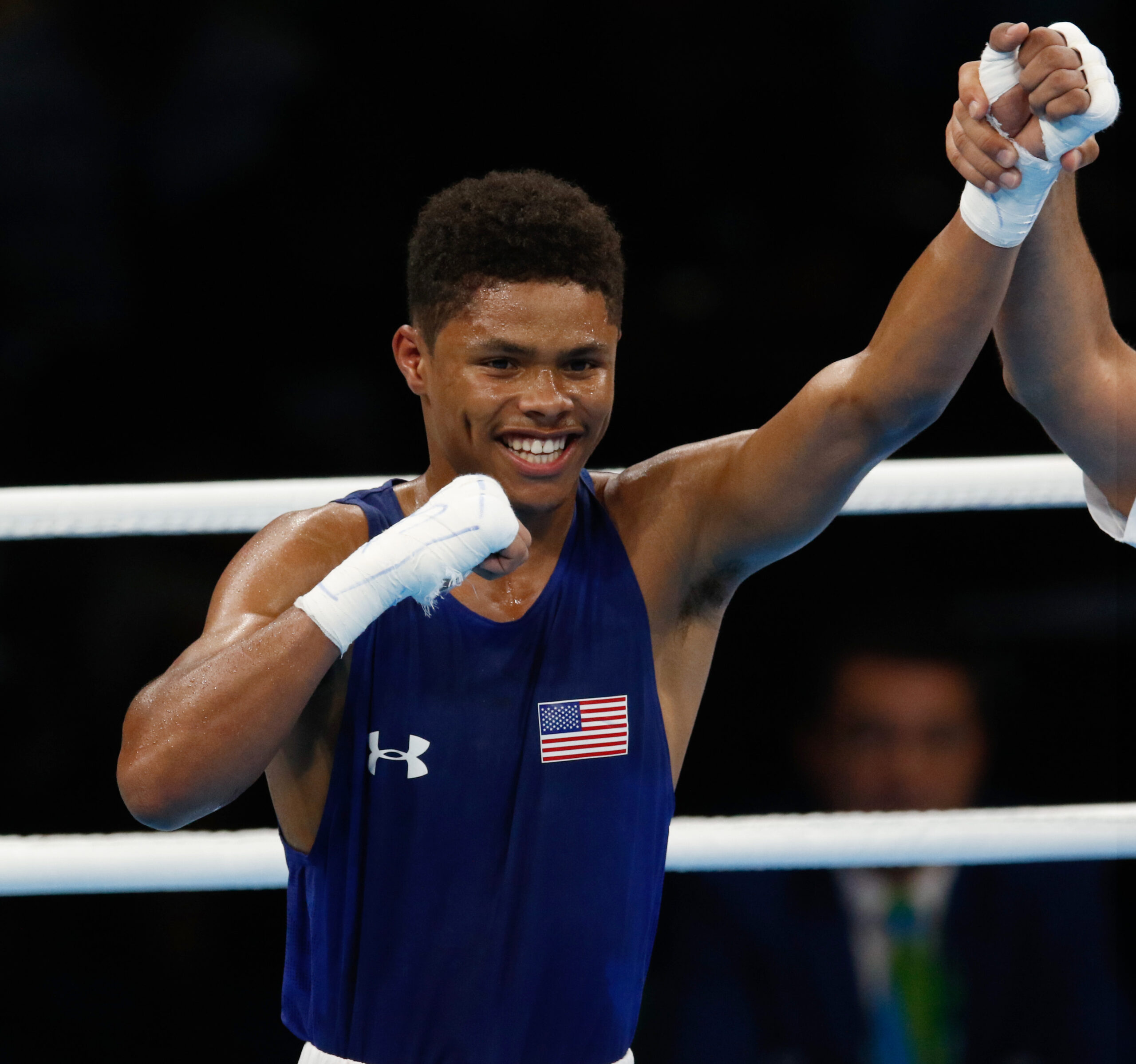
Devin Haney and Shakur Stevenson appear to have crossed the most visible divide separating them from one of boxing’s most compelling matchups. Haney publicly proposed a fight at 145 pounds without a rehydration clause on October 6, and Stevenson answered two days later with a direct response: “You got a deal.”
That exchange created real momentum, but it did not create an official fight.
No signed contract or formal announcement has been confirmed. November 28 in Atlanta has been discussed, according to Bill Haney, but the date, location and proposed conditions remain unconfirmed. BoxingNews24 has also reported that additional terms remain unresolved.
Now the negotiations may be confronting an obstacle more difficult than the weight dispute. Boxing News reports that Haney has an exclusive agreement with DAZN while Stevenson is signed to Zuffa Boxing. That raises immediate questions about which company would promote the event, which platform would carry it and whether the separate business interests surrounding both fighters can be brought together.
Haney and Stevenson have publicly established a framework. The people controlling the business still have to turn it into a fight.
The Fighters Have Agreed Publicly, Not Contractually
The latest movement began after several days of public disagreement over the proposed conditions.
According to Boxing News, Haney said on October 4 that the fight was not complete and called for Stevenson to abandon a proposed rehydration clause. Such clauses can limit how much weight a fighter is permitted to regain after the official weigh-in, making them potentially significant in any contest negotiated above or between established weight divisions.
On October 6, Haney presented his position publicly: 145 pounds with no rehydration clause. Stevenson responded on October 8 by saying, “You got a deal,” according to Boxing News.
That matters because the fighters no longer appear to be publicly divided over the central weight demand that had dominated the discussion. Both have indicated a willingness to meet at 145 pounds, and Stevenson’s response placed his acceptance on the record.
It is still important to describe exactly what happened.
Haney made a public proposal. Stevenson publicly accepted it. Neither action, by itself, confirms that both fighters have signed contracts covering the complete terms of the event.
A professional boxing agreement involves considerably more than a weight posted on social media. Compensation, promotional rights, broadcast distribution, event control, contractual obligations and numerous operational details may all need to be resolved. The supplied reporting does not establish that those matters have been completed.
Even the absence of a rehydration clause, despite the fighters’ public exchange, should remain classified as an unconfirmed proposed condition until it appears in finalized agreements or an official announcement.
The public dispute has narrowed.
The negotiations have not necessarily ended.
Bill Haney Is Increasing the Pressure on Stevenson
On October 9, Bill Haney told Coach Malachi that the camps were working toward November 28 in Atlanta at 145 pounds without a rehydration limit, according to Boxing News. That provided the first reported outline of when and where the proposed matchup could take place.
It did not amount to confirmation that the date had been reserved or that Atlanta had been formally selected.
Bill Haney later took a more forceful position. According to BoxingNews24, he told 78SPORTSTV that Devin accepts 145 pounds without rehydration restrictions and called on Stevenson to stand behind his public acceptance. The message was clear: Stevenson said there was a deal, and the Haney side now wants that statement treated as a commitment.
That pressure is understandable. Once a fighter publicly accepts another fighter’s terms, any delay can begin to look like hesitation. Fans generally have little patience for the distinction between agreeing to a headline condition and completing a complicated contract, particularly when the matchup has already generated substantial discussion.
But that distinction remains necessary.
BoxingNews24 reported that additional terms were still unresolved. The reporting provided does not establish which specific terms remain open, how far apart the sides may be or whether either fighter has rejected a formal contract. It would therefore be premature to characterize the delay as Stevenson withdrawing from the matchup.
Bill Haney’s comments change the public dynamics more than they change the documented status of the fight. They make it more difficult for Stevenson to distance himself from the 145-pound framework without explanation, but they do not prove that every condition required to complete the event has been accepted.
The pressure also works in both directions. Haney publicly made the offer, and his side is now promoting the proposed date, location and conditions. If the fight fails to materialize, both camps will face questions about what happened after the apparent breakthrough.
That scrutiny is fair.
Assigning blame before the remaining obstacles are known would not be.
DAZN and Zuffa Boxing May Be the Harder Negotiation
The newest complication moves the story beyond the fighters.
Boxing News reports that Haney has an exclusive agreement with DAZN while Stevenson is signed to Zuffa Boxing. It remains unclear whether Stevenson’s arrangement permits the proposed fight to be carried by DAZN or whether the companies could reach a different platform agreement.
That uncertainty goes directly to boxing’s fragmented business structure.
Two fighters can agree on an opponent and a weight, but neither necessarily controls every commercial right attached to the event. Promoters and broadcasters invest in fighters because they expect those fighters to create valuable programming for their own platforms. When a major matchup crosses those lines, cooperation may require negotiations over distribution, branding, control and revenue.
The available reporting does not establish what either contract permits. It does not confirm that DAZN has rejected Stevenson, that Zuffa Boxing has refused to release or share him, or that either company has demanded control of the event. Purse splits and other financial details have not been confirmed either.
Those gaps should not be filled with speculation.
What can be said is that separate exclusive relationships create an obvious structural problem. If Haney is obligated to appear on DAZN and Stevenson’s Zuffa Boxing agreement restricts where or under whose banner he can compete, the fight may require cooperation from organizations with their own interests to protect.
That may prove more complicated than negotiating 145 pounds.
Weight is a competitive issue the fighters can address directly. Promotional and broadcast rights involve companies, contracts and financial considerations beyond a social-media exchange. Haney and Stevenson may genuinely want the fight and still be unable to finalize it without approval and cooperation from the businesses surrounding them.
This is why the matchup has become a test larger than either boxer. Boxing regularly asks fans to accept that the best fights take time because different promoters and broadcasters control different pieces of the sport. Haney-Stevenson now presents another opportunity for those power brokers to demonstrate whether those divisions can be overcome when the athletes themselves have publicly moved toward agreement.
The Public Breakthrough Changes the Stakes, Not the Fight’s Status
The exchange between Haney and Stevenson is not meaningless.
Both fighters have publicly indicated that they are prepared to compete at 145 pounds. The rehydration disagreement that had threatened the negotiations appears to have been narrowed in public. Either boxer would now face greater scrutiny if he attempted to abandon that framework without a clear explanation.
The exchange also gives the negotiations a reference point. Instead of debating whether Haney will accept the weight or whether Stevenson will proceed without the disputed rehydration restriction, the public discussion can focus on what remains unfinished.
But almost every major operational question is still open.
There is no confirmed signed contract. November 28 remains a proposed date. Atlanta remains a proposed location. The no-rehydration condition has not been formally verified through an official event announcement. The platform has not been confirmed. Financial terms remain unknown, and there has been no confirmed clarification regarding whether a championship would be involved or whether any relevant sanctioning body has approved the proposed catchweight.
The timeline shows how quickly the apparent obstacle changed. On October 4, Haney said the fight was incomplete and challenged the proposed rehydration clause. On October 6, he offered 145 pounds without that restriction. Stevenson publicly accepted on October 8. Bill Haney introduced November 28 and Atlanta into the discussion on October 9, then increased the public pressure on Stevenson by October 12. One day later, Boxing News identified the separate DAZN and Zuffa Boxing arrangements as the latest obstacle.
The competitive debate has not disappeared, either.
Floyd Schofield, who says he has sparred both men, favors Haney because of his reach, size and boxing ability, according to Boxing News. That is Schofield’s assessment, not an established conclusion about how the matchup would unfold. Stevenson’s supporters would expect his own defensive skill and control to shape the contest differently.
That uncertainty is precisely why the fight matters. It offers a high-level stylistic argument that can only be settled in the ring.
Before that can happen, the business must be settled on paper.
Signed contracts from both fighters would provide the clearest evidence. An official announcement from the relevant promoters or broadcasters would need to confirm the date, venue and platform. The final weight and rehydration conditions should be stated directly, along with clarification of the financial agreement and whether any championship will be contested.
Until that evidence arrives, Haney-Stevenson is a proposed fight being negotiated—not an official event.
LET’S TALK ABOUT IT
If Haney and Stevenson have publicly accepted 145 pounds, who should bear responsibility if their promotional and broadcast commitments prevent the fight?
Should fans treat the matchup as serious progress, or is it still only talk until contracts are signed and an official announcement is made?
Outlets cited in this story
- BoxingNews24
- Boxing News
- DAZN
Spot an error? Send a correction. We fix mistakes in the open.