Jarrell Miller to Face Tony Yoka in Ghana — But Only One Rebuild May Survive Accra
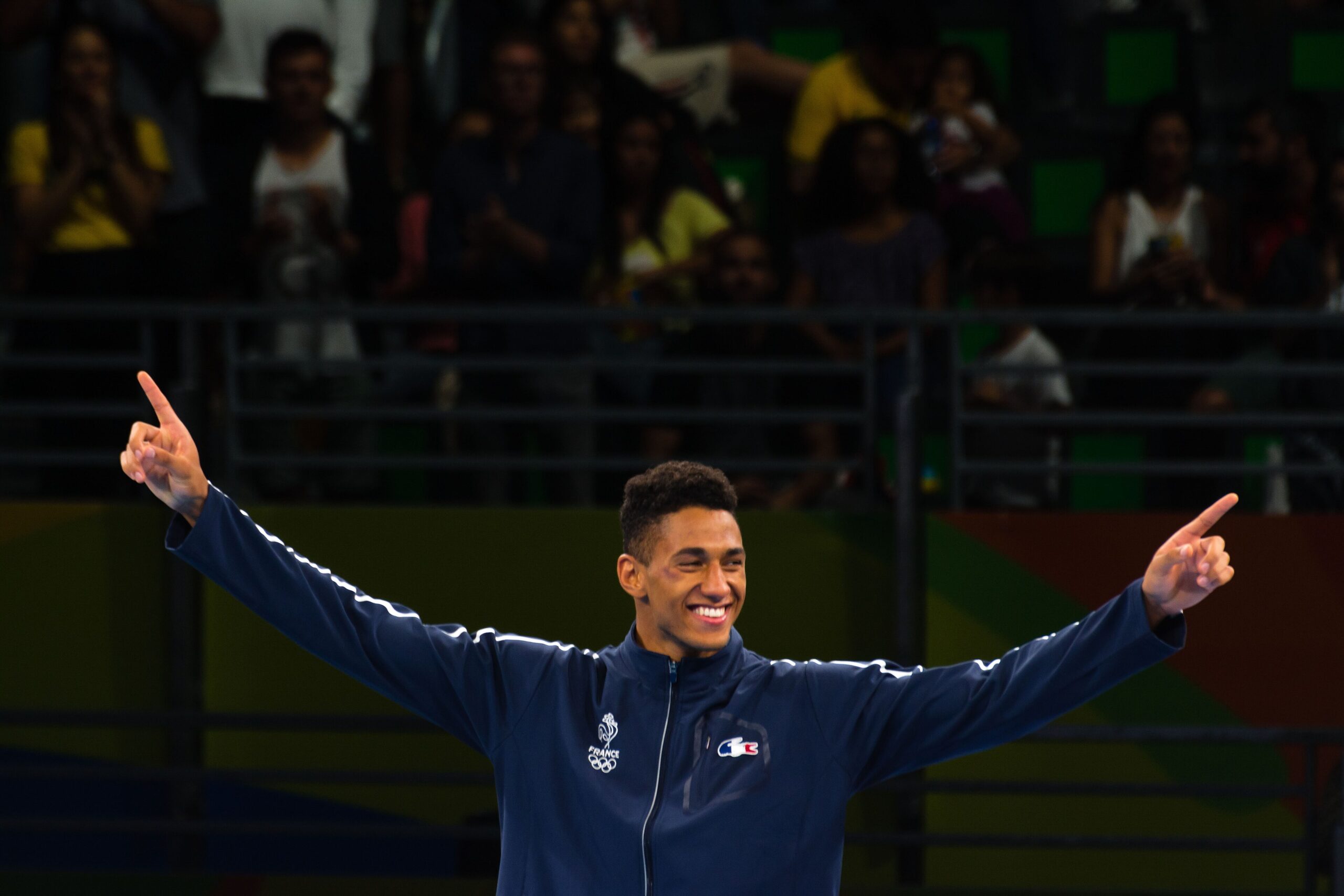
Jarrell Miller and Tony Yoka will meet in a heavyweight main event on December 20 at The Grand Arena in Accra, Ghana. Matchroom Boxing announced the fight on November 11, placing two recognizable heavyweights with unfinished careers at the center of “The Showdown II.”
The event will stream worldwide on DAZN and is being promoted by Matchroom with Legacy Rise Sports, in association with BXG and Queensberry Promotions. The location gives Ghana another internationally visible boxing card, but the setting is only part of the story.
Miller enters as the World Boxing Association’s No. 1-ranked heavyweight contender. Yoka enters as a 2016 Olympic champion still attempting to recover the momentum lost through three professional defeats. Both men have credentials capable of selling the matchup, yet neither has enough recent evidence to remove the questions surrounding him.
That makes Accra more than another destination for another heavyweight fight.
Miller is trying to convert a late-career ranking into a major opportunity in 2027. Yoka is trying to prove that his rebuilding process can survive contact with a credible contender. The winner will gain relevance, leverage and a result worth discussing. The loser could discover that there are very few convincing routes left toward the top of the division.
Miller Has the Ranking, but He Still Needs the Proof
The WBA’s October 2026 rankings listed Miller as its No. 1 heavyweight contender, with Murat Gassiev identified as the organization’s world champion. That position gives Miller a powerful promotional credential and an obvious reason to believe a significant fight could follow if he defeats Yoka.
It does not guarantee one.
Matchroom chairman Eddie Hearn predicted that Miller and Yoka would produce an “absolute war” and said a Miller victory could position him for major opportunities in 2027. That is a promoter’s assessment of what the fight may create, not confirmation of a title shot or a formal commitment from the WBA.
No world title has been announced for the bout. Matchroom has not identified it as a formal eliminator, and the reviewed announcements do not establish that the winner will become mandatory challenger.
Miller therefore arrives in an unusual position. He has the ranking of a fighter standing near a championship opportunity, but he still needs a performance that convinces observers he can operate at that level.
According to Matchroom’s event page, Miller has a record of 28-1-2 with 22 knockouts. The WBA reported that he defeated Lenier Pero by unanimous decision in Las Vegas on April 25, a result that helped support his current ranking position.
Beating Pero moved Miller forward. Beating Yoka would give him another recognizable name and allow his team to argue that he deserves a major assignment in 2027. Neither result, however, automatically proves that Miller can defeat the division’s best heavyweights.
That distinction matters because rankings often create access before they provide certainty.
Miller has already reached a point where merely staying active is not enough. If his No. 1 position is going to become something more valuable than a line on an organizational list, he needs to defeat Yoka convincingly and then secure the kind of fight that tests whether the ranking reflects genuine elite-level viability.
Accra is an opportunity to strengthen his case.
It is not the final verdict.
Yoka’s Olympic Reputation Can No Longer Carry His Professional Career
Yoka brings a different kind of recognition to Ghana. Matchroom identifies him as France’s 2016 Olympic champion, a distinction that ensured his professional career began with expectations extending far beyond ordinary prospect status.
Olympic success can introduce a fighter to the professional game with credibility, attention and access. It cannot protect him indefinitely once the results become uneven.
Yoka has suffered three professional defeats, turning what was expected to be a steady climb toward heavyweight contention into a prolonged rebuilding effort. Every victory now has to be evaluated against the level of the opponent and the questions those losses created.
The British Boxing Board of Control records Yoka defeating Kostiantyn Dovbyshchenko on points over six rounds on November 7. That victory came only weeks before his scheduled meeting with Miller and provided another positive result, but it did not carry the same significance that beating the WBA’s top-ranked contender would.
There is also a record discrepancy that requires care. Matchroom’s event page lists Yoka at 15-3 with 12 knockouts, but that figure appears to predate the November 7 victory recorded by the British Boxing Board of Control. His officially updated record following that fight had not been confirmed in the reviewed sources.
The uncertainty does not change the larger point.
Yoka needs a meaningful win.
Defeating lower-level opposition can restore activity and confidence, but a rebuild becomes credible only when the fighter succeeds against someone capable of exposing whether the original problems remain. Miller, with his ranking, experience and physical presence, represents that kind of test.
A Yoka victory would immediately become one of the most important results of his professional career. It would allow him to argue that the losses did not permanently define his ceiling and that his Olympic pedigree can still be converted into professional relevance.
A defeat would be much harder to absorb.
Yoka has already spent considerable time attempting to rebuild after three setbacks. Losing to Miller would not mathematically end his career, but it would leave promoters and viewers asking what realistic route remains. Another rebuilding sequence against limited opposition would offer little new information, while immediate access to a comparable opportunity could become difficult to justify.
For Yoka, December 20 is not simply about adding another victory.
It is about proving that the rebuild is leading somewhere.
Victory Will Create Opportunity, Not Automatic Elite Status
The significance of Miller–Yoka should not be exaggerated simply because both fighters have recognizable credentials.
Miller’s WBA ranking makes the fight relevant. Yoka’s Olympic championship gives it history and international appeal. Ghana provides a distinctive stage, and DAZN’s worldwide coverage ensures that the result will be visible beyond the local audience.
Still, neither man becomes a proven elite heavyweight through one victory.
If Miller wins, he will have defeated an Olympic champion whose professional career has included three losses. That would be useful evidence, particularly if Miller controls the fight and performs with the conditioning and discipline required against stronger opposition. It would not establish that he can defeat Gassiev or the other leading heavyweights operating around the championship level.
If Yoka wins, he will have beaten the WBA’s No. 1 contender and disrupted Miller’s attempt to turn that ranking into a major 2027 fight. That result would give Yoka’s comeback genuine credibility, but he would still need to demonstrate that it was the beginning of a consistent return rather than one isolated success.
The manner of victory may therefore matter almost as much as the result.
Miller needs to show that his late-career position is supported by more than durability, name recognition and organizational placement. Yoka needs to show that the weaknesses behind his previous defeats have been addressed rather than temporarily hidden by more manageable matchmaking.
Conditioning will matter. Pace will matter. Durability will matter. Most importantly, the fight should reveal which man can maintain his plan once the contest becomes uncomfortable.
Those answers cannot be supplied by Miller’s ranking or Yoka’s medal.
They have to emerge in the ring.
Several important details also remain unconfirmed. The reviewed announcements do not specify how many rounds the main event is contracted for, whether any title or formal eliminator status will be attached, which commission will regulate the event or who will serve as the appointed officials. No purse figures or official fight-night weights have been announced.
Those omissions should prevent anyone from presenting the bout as something it has not yet been confirmed to be. Miller–Yoka is a meaningful heavyweight main event with obvious career implications. It does not need an imaginary championship designation to matter.
Ghana Is Becoming Part of Matchroom’s Larger Boxing Ambition
“The Showdown II” also matters beyond the two fighters in the main event.
By bringing another internationally streamed card to Accra, Matchroom is continuing its effort to establish Ghana as a recurring destination for major boxing events. The Grand Arena at the Accra International Conference Centre gives the promotion a prominent venue, while the announced lineup includes both international names and fighters connected to the region.
Matchroom announced Jonathan Tetteh against Elvis Ahorgah for the undercard. The company also named Odel Kamara, Divine Omojor, Samuel Takyi, Theo Allotey and Jursly Vargas as participants, although opponents for those fighters had not been announced in the initial lineup.
That developing card gives the event a broader purpose. Ghana is not being treated merely as a backdrop for two visiting heavyweights. The promotion is attempting to connect a headline fight with local and regional talent while presenting Accra to a worldwide DAZN audience.
Whether that effort becomes sustainable will depend on more than one event. It will require competitive matchmaking, reliable organization and continued opportunities for fighters who can build an audience in Ghana rather than appearing once and disappearing from future cards.
Miller and Yoka will attract the immediate attention, but the long-term value of “The Showdown II” may also be measured by what follows it.
If the event succeeds, Ghana strengthens its case for additional international cards. If the undercard fighters are matched meaningfully and given continued visibility, the promotion can become more than a one-night spectacle.
The main event, however, remains the hook because its stakes are easy to understand.
Two heavyweights are arriving in Accra with reputations built on very different foundations. Miller has the current ranking. Yoka has the Olympic history. Both need a result that makes those credentials feel relevant now.
LET’S TALK ABOUT IT
Does a victory in Accra make Jarrell Miller or Tony Yoka a legitimate heavyweight contender, or would either man still need another major win?
Which fighter has more to lose on December 20: the WBA’s No. 1 contender or the Olympic champion still trying to rebuild his professional career?
Outlets cited in this story
- DAZN
Spot an error? Send a correction. We fix mistakes in the open.