
Tyson Fury–Anthony Joshua Projected to Generate a $34 Million Gate — But Commercial Supremacy Is Not Heavyweight Supremacy

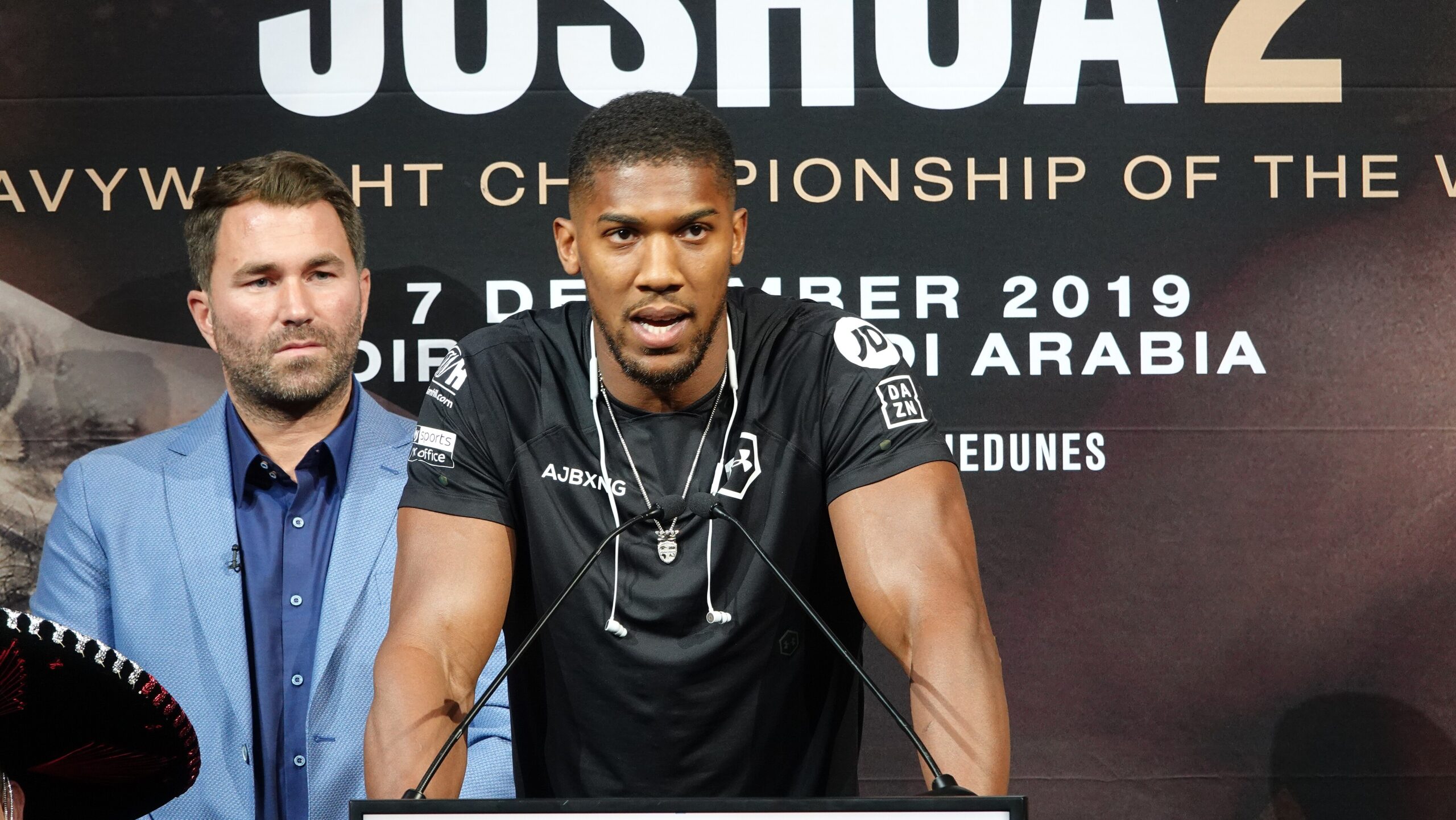
Tyson Fury and Anthony Joshua may have missed the perfect moment to fight, but the British public apparently has not lost interest in seeing them settle their rivalry.
Dana White told Sky Sports that the December 11, 2026, fight at Principality Stadium in Cardiff has been scaled to generate a gate of around $34 million. According to White, fewer than 700 tickets remained on Friday evening after more than 500,000 people entered the Ticketmaster queue. Sky Sports reported that thousands of tickets were purchased within the first hour of the general sale opening on October 9.
Those numbers have not yet been certified as final revenue or paid attendance. Organizers have not officially confirmed a complete sellout, and the event remains subject to licence. Still, the early demand makes the larger point difficult to ignore.
Fury–Joshua remains one of the biggest events British boxing can produce.
The meaning of the fight has changed during the years it spent trapped between negotiations, competing plans and shifting heavyweight politics. It is no longer the clean, undisputed collision it might once have represented. Yet the extraordinary ticket demand suggests supporters are buying something broader than a current championship argument. They are buying two defining personalities, a rivalry without a conclusion and the opportunity to witness a piece of British boxing history.
The Projected Gate Reflects Extraordinary Demand
White described the event to Sky Sports as effectively sold out and said its projected revenue would make it the most lucrative gate in British boxing history. The phrase that matters for now is projected revenue.
A projection of approximately $34 million is not the same as an officially certified gate. The final figure will depend on the number of paid admissions, the distribution of tickets at different price levels and the event configuration used inside the stadium. Complimentary tickets, returns and other adjustments can also create a difference between the excitement surrounding a sale and the revenue ultimately recorded.
What has already been reported is significant.
Sky Sports said more than 500,000 people entered the Ticketmaster queue, while White said fewer than 700 tickets remained by Friday evening. Ticketmaster’s regular-seat prices reportedly ranged from £88.50 to £13,128, excluding VIP, hotel, travel, group and concession packages. The Principality Stadium event listing identifies the venue’s maximum capacity as 80,000 and says the fight will stream live on Netflix.
Ticketmaster lists doors for 5 p.m. and the main event at approximately 1 a.m., with those arrangements subject to licence. Principality Stadium also lists the December 11 date subject to licence, while Cardiff Rugby announced on September 24 that the venue would stage the fight.
Taken together, the reports describe an event operating on a scale few boxing matches can approach. The enormous online queue does not mean every person in it intended to purchase a ticket, and a near-sellout claim from White is not an official attendance statement. It nevertheless shows how much attention Fury and Joshua can still command before they enter the ring.
The fight may have arrived later than supporters wanted.
It has not arrived quietly.
Fury and Joshua Are Selling Unfinished Business
The commercial appeal of Fury–Joshua cannot be explained by rankings or belts alone. Its power comes from the history that accumulated while the fight repeatedly failed to happen.
For years, Fury and Joshua represented competing versions of British heavyweight success. Their careers developed on separate tracks, but nearly every major achievement intensified the possibility of an eventual meeting. The public debate extended beyond who would win. Supporters argued about personality, style, resilience and which fighter best represented the era.
That kind of rivalry can survive changes that would weaken an ordinary matchup.
Defeats matter. Lost opportunities matter. So does the wider championship picture. But certain fights become embedded in the culture of the sport before a contract is ever signed. By the time the competitive circumstances change, the public is no longer purchasing only the contest that exists in the present. It is also purchasing the argument that has been building for years.
Fury–Joshua now carries that quality.
Part of the appeal is curiosity about what remains of each man. Part of it is the national scale of two famous British heavyweights finally sharing a ring. Most of it is the simple desire for resolution. Supporters have spent too long imagining the fight to become indifferent once it finally materializes.
That does not mean the delays were harmless. Had Fury and Joshua met when the stakes surrounding them were at their highest, the fight could have carried a clearer claim to determining heavyweight supremacy. The version scheduled for Cardiff is different. It is selling accumulated fame, personality and unfinished business as much as sporting primacy.
The ticket demand shows that distinction does not prevent a fight from becoming enormous.
A Historic Gate Would Confirm Drawing Power, Not Divisional Supremacy
If the event achieves a $34 million gate, it would strengthen the argument that Fury and Joshua remain exceptional attractions. It would also demonstrate that a delayed super fight can retain extraordinary commercial value after its original competitive moment has passed.
Boxing 24/7 calculated that a $34 million gate could rank fourth in boxing history. That potential placement should remain conditional. The projected figure must first be achieved, and any historical comparison depends on the accuracy and consistency of reported gate figures from other events.
White’s claim that the fight could produce Britain’s richest boxing gate carries the same limitation. It may prove correct, but the record should not be treated as settled before the event takes place and the revenue is officially confirmed.
Even if every commercial claim is substantiated, the gate cannot answer the sport’s larger competitive questions.
Ticket sales measure demand. They do not establish who currently deserves recognition as the best heavyweight in the world. A packed stadium cannot restore stakes that changed while the fight remained unsigned, and commercial magnitude cannot substitute for the wider championship picture.
That distinction matters because boxing frequently allows business success to blur sporting meaning. A fight can be the largest event available without being the contest that definitively identifies the division’s leading fighter. It can command historic revenue while representing a personal rivalry rather than a final answer to heavyweight supremacy.
Fury and Joshua can settle something important on December 11. They can determine who wins their long-running confrontation now, under the conditions that exist in 2026.
That is meaningful.
It is not automatically the same as determining the best heavyweight in the world.
The Final Numbers Will Decide the Commercial Claims
The evidence required to settle the business side of this story should arrive after the event.
An officially certified gate would establish how much ticket revenue the fight actually generated. A confirmed paid-attendance figure would show how many spectators purchased admission, while details of the stadium configuration would clarify how many seats were available for sale. Organizers could also provide definitive confirmation of whether the event reached a complete sellout.
Until then, the most accurate description is that Fury–Joshua is projected to generate approximately $34 million and was reportedly close to selling out immediately after tickets became available.
That wording does not diminish the achievement. Even as a projection, the figure reveals the scale on which this fight is operating. More than 500,000 people entering a ticket queue is a striking measure of interest, particularly for a rivalry that spent years being described as overdue.
The sporting claim will require a different kind of evidence.
Fury and Joshua must answer it in the ring, but their fight can only settle the rivalry between them. Any attempt to elevate the winner above the entire heavyweight division must account for the recognized championship landscape, the leading contenders and what those fighters have accomplished.
The Cardiff event does not need an exaggerated claim to matter. Two of Britain’s defining heavyweights are finally preparing to fight in a major stadium before a global Netflix audience. The unresolved history between them already gives the occasion significance.
Its commercial importance may become record-breaking.
Its competitive meaning should still be described honestly.
LET’S TALK ABOUT IT
Does the extraordinary ticket demand show that Fury–Joshua remains a true super fight, even though its ideal competitive moment may have passed?
Should the winner be viewed as the leading heavyweight, or simply as the man who finally settled Britain’s biggest unfinished boxing rivalry?
Outlets cited in this story
- Sky Sports
Spot an error? Send a correction. We fix mistakes in the open.