Dalton Smith’s First Defense Is Underway in Sheffield — But a Championship Reign Still Has to Be Earned
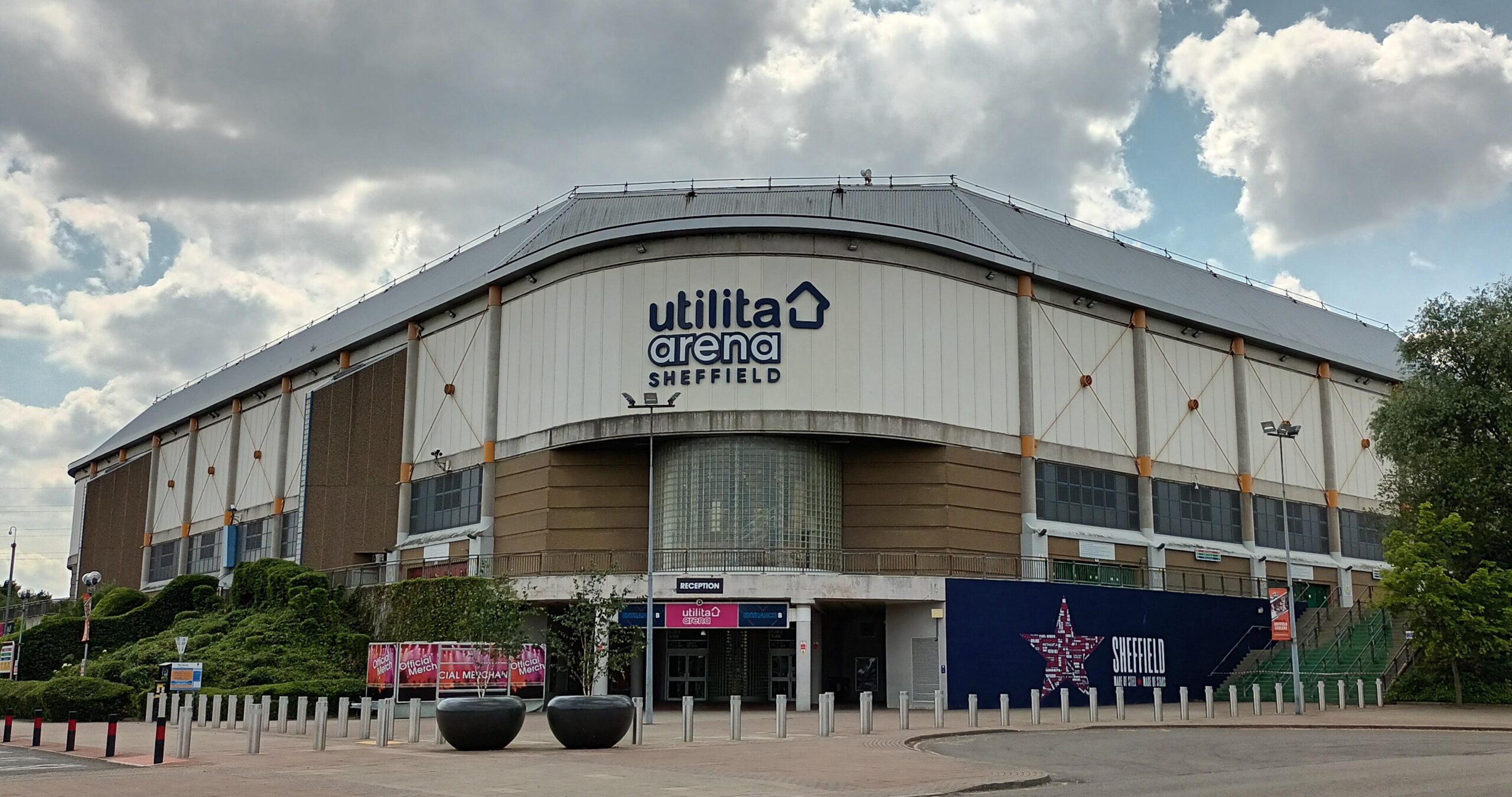
Dalton Smith entered Utilita Arena Sheffield as an unbeaten world champion returning home for the first defense of the WBC super-lightweight title. He also entered with something more difficult to protect than a perfect record: the momentum created by the biggest victory of his career.
Smith became champion by stopping Subriel Matías in the fifth round on January 10, 2026, according to the World Boxing Council. That breakthrough established the Sheffield fighter at world level, but defeating Alberto Puello would carry a different meaning. Puello arrived as a former WBA and WBC champion, the WBC’s No. 1 contender in its February 2026 ratings and a challenger with enough experience to expose the difference between winning a belt and building a reign.
At the latest verified reporting cutoff, the fight was underway and no official result had been published. FIGHTMAG continued to list the main event as live, while Bad Left Hook’s round-by-round coverage had Smith ahead 48-47 after five rounds on its reporter’s unofficial scorecard. That was an individual assessment—not an official ringside total—and cannot be treated as the result.
Until the WBC, the promoter or another authoritative source confirms the outcome, the most important question from Sheffield remains unanswered.
Did Smith take the first step toward becoming an established champion, or did Puello begin another reign at 140 pounds?
Smith’s Breakthrough Victory Created a Different Kind of Pressure
Matchroom Boxing listed Smith at 19-0 with 14 knockouts entering the defense. Those numbers reflected a steady rise through the domestic and European levels, but his stoppage of Matías transformed the expectations surrounding him.
Winning the championship made Smith a central figure in the division. Defending it required him to prove that the Matías result was the beginning of something sustainable.
That distinction matters because boxing often treats winning a title as the completion of a fighter’s journey. In reality, becoming champion creates a new set of demands. Opponents prepare differently. Every performance receives greater scrutiny. A fighter who once pursued opportunities becomes responsible for delivering them to ranked contenders waiting behind him.
Smith’s victory over Matías answered whether he could perform in a world-title fight against a dangerous champion. Facing Puello tested whether he could handle the responsibilities that came with the answer.
The setting added another layer. Smith won the title away from home, but his first defense brought the championship back to Sheffield. Fighting in front of a supportive crowd can create energy, yet it can also produce pressure to force exchanges, chase a dramatic finish or deliver the kind of performance expected from a hometown champion.
Puello was too accomplished to treat that occasion as a celebration.
Puello Entered Sheffield as a Proven Threat, Not a Showcase Opponent
Matchroom identified Puello as a former WBA and WBC champion and listed his entering record as 25-1 with 11 knockouts. The WBC’s February 2026 ratings placed him first among the organization’s super-lightweight contenders behind Smith.
That ranking gave the fight immediate competitive legitimacy. Puello was not an opponent selected merely to provide Smith with a manageable first defense in front of his hometown supporters. He arrived with championship experience, only one professional defeat and a direct claim to another opportunity at the belt.
His presence also gave the matchup a shared connection to Matías. Smith captured the WBC championship by stopping Matías, while Puello had previously lost the title to him. That history made comparisons unavoidable, but it did not make the outcome predictable.
Styles do not move neatly through a division.
Smith’s ability to stop Matías did not automatically guarantee that he would control Puello. Puello’s previous championship status did not guarantee that he could reclaim the belt. Each fighter still had to solve the specific problems presented by the other.
The WBC reported that both men weighed 139.6 pounds at the October 23 weigh-in, placing them equally below the 140-pound limit. There was no weight controversy to distract from the central issue. The title was being contested by a champion and the organization’s leading challenger under the same physical requirement.
That is the kind of first defense that can tell the division something useful.
If Smith receives the official victory, it should be evaluated as more than another win added to an unbeaten record. Defeating a former two-organization champion and the WBC’s top-rated contender would give his reign a credible foundation.
If Puello wins, the result should not be reduced to Smith failing under pressure. It would also represent an experienced former champion earning another reign by defeating the man who had stopped Matías.
Either interpretation requires the official result first.
Live Scores Cannot Replace the Official Record
Bad Left Hook’s last available update scored the fight 48-47 for Smith after five rounds. That total offered readers a snapshot of how one reporter viewed the early action, but it was explicitly unofficial.
Boxing’s live scorecards can help explain the shape of a fight. They can show whether an observer believes the champion is controlling the contest, whether the challenger is closing the distance or whether the rounds are difficult to separate. They cannot establish who officially won.
Only the authorized judges’ totals matter if the bout reaches the final bell. If the contest ends inside the distance, the official method, round and time must come from the confirmed result rather than an assumption based on live coverage.
That boundary is especially important in a fight with consequences for the championship. A narrow unofficial score after five rounds does not establish control, predict how the later rounds developed or reveal how the judges at ringside were evaluating the action.
It also would be irresponsible to assign official post-fight records while the outcome remained unconfirmed. Smith entered 19-0 with 14 knockouts and Puello entered 25-1 with 11 knockouts, according to Matchroom. Those are the verified records available until the result updates them.
The same caution applies to money. None of the reviewed reporting from Matchroom, the WBC, Boxing News, BoxingNews24, Bad Left Hook or FIGHTMAG provided verified guaranteed purses or total earnings for the main event. Any unsupported figures circulating elsewhere should not be presented as fact.
Boxing already produces enough confusion through disputed scoring, fragmented titles and promotional claims. Reporting an unfinished fight as settled would only add to it.
The Official Result Will Change the Division—But It Will Not Settle Everything
A Smith victory would establish a successful first defense and strengthen the argument that his win over Matías was the start of a meaningful championship run. It would give him two consecutive victories over fighters with world-title credentials and create momentum toward another leading contender or a potential unification opportunity.
It would not make him unbeatable.
One title defense, even against an opponent as credible as Puello, cannot settle Smith’s place at the top of a competitive division. A real reign is built across different styles, difficult nights and repeated pressure. The Matías victory created the opportunity. Beating Puello would add evidence, not complete the case.
A Puello victory would carry equally clear consequences. Smith’s first reign would end without a successful defense, and Puello would become champion again after entering Sheffield as the WBC’s top contender. The result would validate his status as a legitimate threat and restore him to the center of the 140-pound picture.
It would not prove that Smith’s rise was fraudulent.
Smith still would have stopped Matías to win the championship. One defeat against a former champion would not erase that accomplishment, just as Puello’s previous loss did not erase his credentials before this fight. Boxing careers are not invalidated every time a title changes hands.
A draw, technical decision or controversial verdict would require even greater restraint. The official record and the public evaluation of a fight are not always identical. If the judges’ totals become part of the story, each score must be reported accurately before any argument is made about whether it reflected the action.
Whatever the decision, the next opponent will matter. The WBC had not officially designated a subsequent challenger in the reviewed sources, so no fighter should be described as next in line unless the organization confirms it.
For Smith, a clear victory should lead toward another opponent capable of testing whether his reign can continue. For Puello, reclaiming the championship would create the same obligation Smith carried into Sheffield: prove that winning the belt can become something larger than one night.
LET’S TALK ABOUT IT
Will the official Sheffield result establish Dalton Smith as a champion capable of building a meaningful run at 140 pounds, or will Alberto Puello show that Smith’s reign ended before it could truly begin?
And once the result is confirmed, who should the winner face next to prove where he really stands in the super-lightweight division?
Outlets cited in this story
- Bad Left Hook
- BoxingNews24
- Boxing News
Spot an error? Send a correction. We fix mistakes in the open.