

Moses Itauma Plans February Return — But Winning Alone Will Not Complete the Rebuild
Moses Itauma is reportedly targeting February 2027 for his first fight since Filip Hrgovic handed him the first defeat of his professional career. The return would begin an important rebuilding phase for a heavyweight who reached a world-title fight quickly but discovered that reaching that level and succeeding there are different challenges.
Chris Mannix reported, citing unnamed sources, that Itauma is slated to return in February. That window has not been officially confirmed, and Queensberry has not announced an opponent, exact date, venue or scheduled distance. No purse, contracted weight or other bout terms have been disclosed.
Those missing details matter because this cannot be evaluated as an ordinary comeback. Itauma entered his August 29 fight with Hrgovic as an unbeaten contender pursuing the vacant IBF heavyweight title. He left London’s O2 Arena with a 14-1 record, his first stoppage loss and questions that will follow him into his next training camp.
The Ring reported that Hrgovic stopped Itauma at 2:27 of the ninth round after referee Howard Foster intervened as trainer Ben Davison threw in the towel. Hrgovic became the IBF heavyweight champion, while Itauma entered unfamiliar territory as a professional.
His next victory may restore some momentum. The opponent and the performance will determine whether it proves anything more.
February Is the Latest Target, Not a Confirmed Booking
The reported February return represents the latest development in a timeline that has already shifted.
Frank Warren initially pointed toward January as the likely comeback month. According to The Ring, the promoter said he wanted Itauma to return against a recognizable opponent. Boxing News later reported that Warren intended to match him with a “top ten ranked fighter,” although Warren did not identify the boxer or specify which organization’s rankings he meant.
That distinction cannot be dismissed as technical language. Heavyweight rankings vary between sanctioning organizations and independent publications, and a top-10 label can sound more impressive than the matchup ultimately proves to be. Until an opponent is named, the promise remains too broad to establish the level of Itauma’s comeback.
February may simply be an updated promotional target rather than a major change in direction. It could allow Itauma more time to recover, train and make adjustments after the Hrgovic defeat. But Mannix’s report was attributed to unnamed sources, and no official announcement has converted that information into a booked fight.
For now, Itauma appears headed toward an early-2027 return.
Everything beyond that remains unsettled.
The uncertainty leaves several important questions unanswered. Queensberry has not confirmed whether the fight will take place in Britain or elsewhere. The scheduled distance is unknown. There has also been no public identification of the ranking body behind Warren’s top-10 claim.
Once the opponent is announced, those details will reveal whether Itauma’s team is building a serious competitive test or primarily looking for a safe way to place him back in the win column.
Warren Is Promising Risk Because the Comeback Needs Meaning
Warren has publicly acknowledged that Itauma’s first appearance after the defeat carries danger. Speaking to Sky Sports, he described a fighter’s first contest after a loss as risky and argued that the comeback opponent should provide a genuine test.
That is the right standard.
Itauma does not need to be punished for losing a world-title fight. He also should not be rushed into another championship-level assignment simply to prove that his confidence survived. There is a sensible competitive space between those extremes: an opponent capable of extending him, disrupting his preferred rhythm and forcing him to demonstrate adjustments without presenting the same immediate stakes as another title fight.
A credible top-10 heavyweight could provide that test. It could also show that Warren’s comments are more than promotional positioning.
The objective is not merely to make Itauma look explosive again. His 12 knockout victories already provide evidence of his offensive ability. The more urgent question is how effectively he can operate when a capable opponent absorbs his early work, applies pressure and forces the fight into demanding later rounds.
An immediate rematch with Hrgovic is not available. Warren has said Hrgovic is due to face IBF mandatory challenger Frank Sanchez, which gives Itauma’s side time to pursue a different route. That period should be treated as an opportunity to develop rather than an inconvenience to navigate.
Another title opportunity or eventual Hrgovic rematch may become realistic if Itauma rebuilds successfully, but neither outcome is guaranteed. His position will depend on matchmaking, performances, rankings and developments elsewhere in the heavyweight division.
The comeback is the first step in that process, not the final proof that it has worked.
The Hrgovic Loss Changed Itauma’s Position, Not His Entire Future
A first defeat can produce exaggerated conclusions in both directions.
One poor night does not erase the qualities that carried Itauma into a world-title fight. He remains a young heavyweight with an official record of 14-1 and 12 knockouts. The Ring placed him at No. 8 in its heavyweight rankings after the defeat, while the EBU’s November ratings, covering results through October 31, listed him at No. 5 among its heavyweight contenders.
Those positions show that the loss did not remove him from the division’s relevant competitive picture.
It did, however, change what can reasonably be assumed about his readiness.
Before facing Hrgovic, Itauma’s unbeaten record and knockout power encouraged the belief that he could accelerate through the heavyweight division. The championship fight offered a chance to validate that trajectory. Instead, Hrgovic survived until the ninth round and left with the vacant IBF title.
Itauma now has to demonstrate how he responds to being stopped, losing his unbeaten record and missing an opportunity that had placed him close to the top of the division.
That is different from needing to prove he belongs in professional boxing. His record and rankings already answer that question. The issue is whether he can make the adjustments required to succeed against experienced heavyweights who will not disappear when his early offense lands.
The defeat did not end his potential.
It ended the assumption that potential alone was enough.
That can ultimately benefit a developing fighter if the lessons are identified honestly and addressed properly. A loss becomes damaging when a team treats it as a public-relations problem instead of a competitive one. Restoring the undefeated image is no longer possible, but building a more complete heavyweight remains achievable.
The February opponent will offer the first indication of which objective Itauma’s team is prioritizing.
The Opponent Must Test More Than Itauma’s Confidence
Warren’s promise of a top-10 opponent creates a standard against which the eventual announcement should be judged.
The fighter’s name matters. The ranking organization matters. The opponent’s current form matters.
A recognizable heavyweight with a historical ranking is not necessarily the same as an active, competitive contender currently operating inside a legitimate top 10. If Queensberry delivers the latter, Itauma’s comeback can become one of the more revealing heavyweight fights of early 2027. If the opponent is favorable and the ranking language is used loosely, the contest may restore market momentum without answering the questions created by Hrgovic.
That does not mean Itauma needs the most dangerous available opponent immediately. Rebuilding should involve intelligent matchmaking. But intelligent matchmaking should still have a competitive purpose.
Can Itauma control his pace if the early knockout does not arrive? Can he remain disciplined when an opponent refuses to retreat? Can he make adjustments during a long fight instead of relying on his initial plan? How does he react when he is physically uncomfortable or forced to defend while tired?
Those are more valuable questions than whether he can overwhelm an opponent selected mainly to absorb a loss.
A quick knockout would generate excitement. It might restore some confidence and remind the division of Itauma’s power. But unless it comes against a credible opponent, it will reveal very little about whether the weaknesses exposed against Hrgovic have been corrected.
A longer, composed performance could be more informative. If Itauma manages his output, handles resistance and wins without becoming desperate for an early finish, the result would demonstrate development even if it produces fewer highlights.
The ideal comeback would combine both elements: a legitimate opponent and a performance that shows Itauma can use his offensive gifts without becoming dependent on immediate success.
Until the fight is announced, however, every judgment must remain conditional. February is only a reported target. The top-10 opponent is only a public promise. The rebuilding process becomes measurable when Queensberry supplies a name and Itauma steps into the ring.
LET’S TALK ABOUT IT
Should Moses Itauma face a legitimate top-10 heavyweight immediately, or would a less dangerous rebuilding fight be the smarter response to his first professional defeat?
What would convince you that Itauma is ready for another title opportunity: an explosive knockout, a disciplined performance over a longer distance or a victory over a specific ranked heavyweight?
Outlets cited in this story
- Boxing News
- Sky Sports
- The Ring
Spot an error? Send a correction.
More on Moses Itauma
All 10 Moses Itauma stories →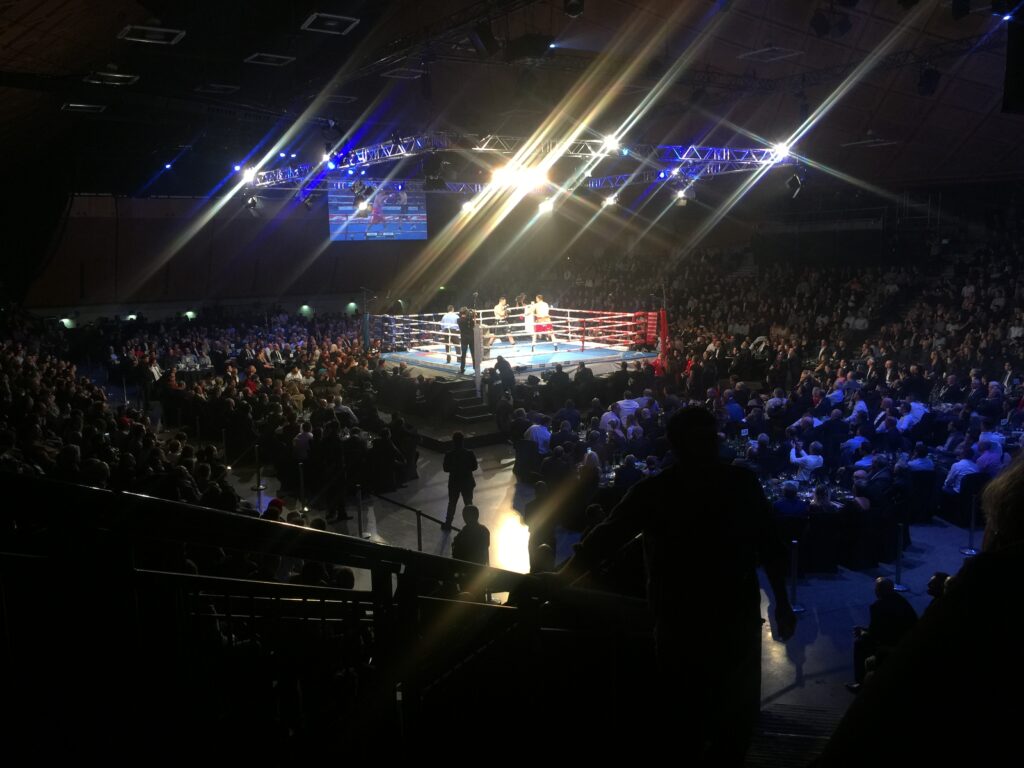
Daniel Dubois and Joseph Parker Are Discussing a January Fight — But Both Heavyweights Need More Than a Big Name
Daniel Dubois and Joseph Parker were supposed to settle their business in February 2025. Illness removed Dubois from that scheduled fight, leaving Parker without the title opportunity he had prepared…
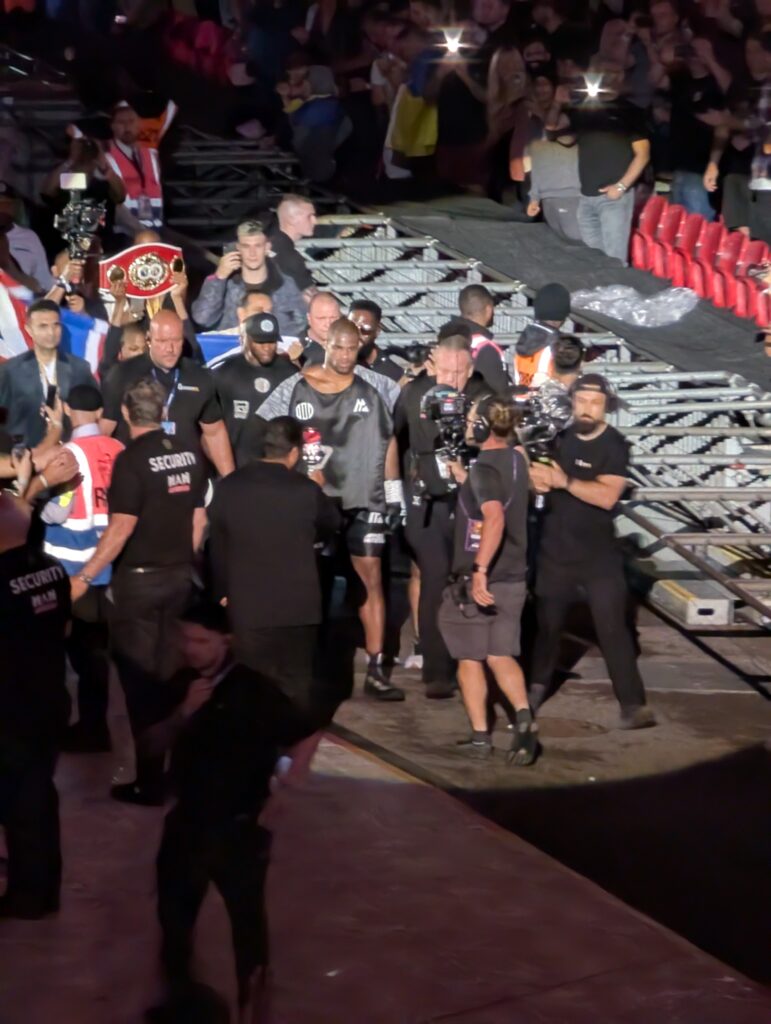
Daniel Dubois Wants Moses Itauma Soon — Before Another British Heavyweight Rivalry Goes Stale
Daniel Dubois wants to fight Moses Itauma, and he does not want British boxing to spend years protecting the possibility until the moment loses its edge. Speaking to Sky Sports,…
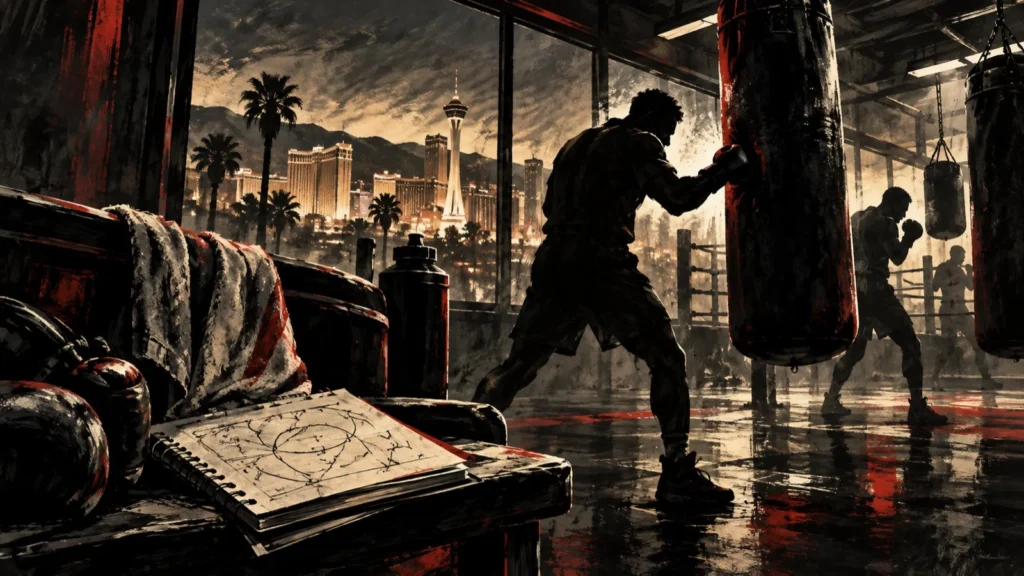
British Heavyweight Itauma Spotted Training at Mayweather Boxing Club in Las Vegas
British heavyweight Moses Itauma was spotted training at Floyd Mayweather Jnr's gym in Las Vegas as he prepares to return to the ring. The footage appeared in a video posted…
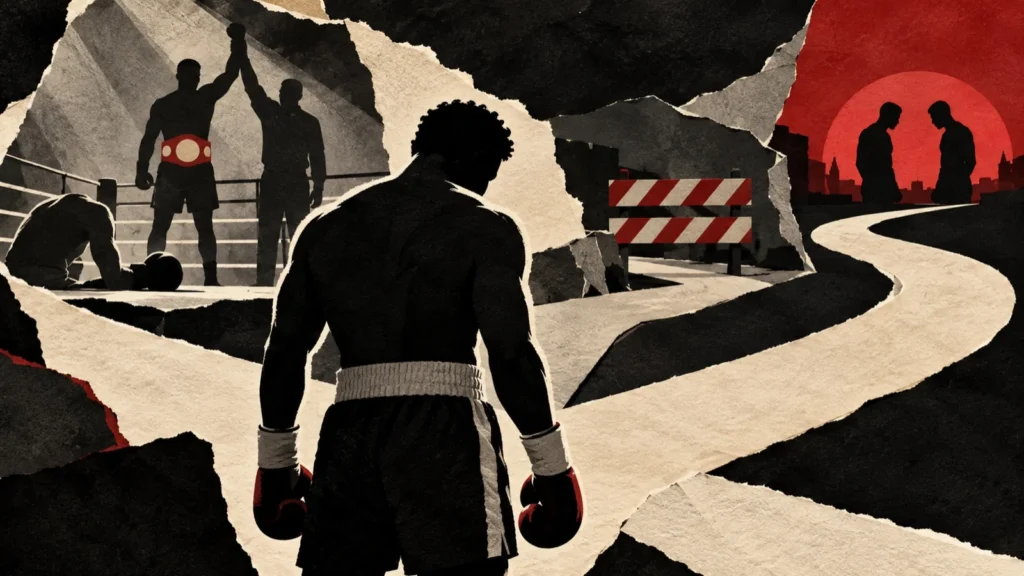
Itauma Suffers First Career Defeat as Hrgovic Claims Vacant IBF Title
Twenty-one-year-old boxer Moses Itauma suffered his first career defeat in August 2026, losing to Filip Hrgovic by a ninth-round stoppage. The stoppage resulted in Hrgovic claiming the vacant IBF world…