
Lawrence Okolie Reclaims the WBC’s No. 1 Ranking — But the Drug-Test Ruling Leaves Major Questions
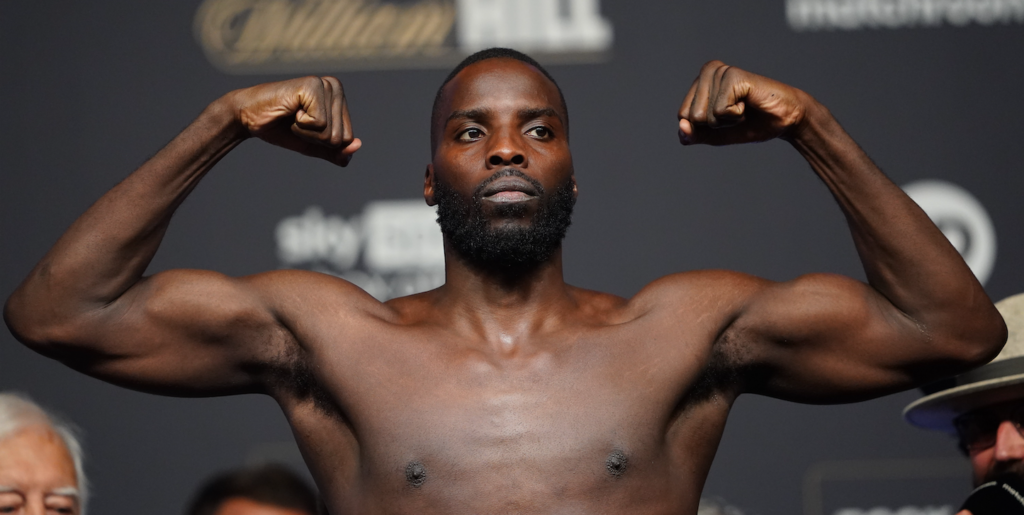
Lawrence Okolie is back at No. 1 in the WBC heavyweight rankings, Deontay Wilder has climbed to No. 2 and Moses Itauma sits directly behind them at No. 3.
That order places all three heavyweights near the front of the WBC title picture under champion Agit Kabayel. It does not, however, establish Wilder—or even Okolie—as Kabayel’s formally designated mandatory challenger. The WBC’s November 2026 ratings identify their positions, but they do not announce a final eliminator or award either man an ordered title opportunity.
According to World Boxing News, Wilder advanced two places from his October position but was prevented from reaching No. 1 by Okolie’s return. Okolie had disappeared from the rankings while an adverse analytical finding was under review, then returned to the top position after reaching an adjudication agreement with the WBC.
That makes the development more significant than a routine rankings adjustment. The result is public, but the information needed to evaluate it is not.
The WBC and Okolie have not identified the prohibited substance involved, disclosed the complete terms of their agreement or explained what competitive standard justified restoring him specifically to No. 1. Wilder’s stalled climb provides the immediate headline, but the larger issue concerns how much unexplained discretion a sanctioning body should possess when its decisions can shape the heavyweight title picture.
Okolie’s Case Was Resolved Without Full Public Disclosure
The case began with a sample collected from Okolie on April 8, 2026, according to a joint statement issued by the WBC and the former cruiserweight champion. That sample produced what the statement described as an adverse analytical finding under the WBC Clean Boxing Program.
Okolie submitted mitigating evidence supporting his position that the prohibited substance entered his body through the actions of a third party without his knowledge or consent. That is the explanation presented in the joint statement. The publicly available material does not independently establish every detail of the account, and the WBC did not identify the substance that produced the finding.
The sanctioning body said it considered Okolie’s previous testing history, his cooperation and the evidence submitted on his behalf. On October 16, the two sides announced that they had reached an adjudication agreement resolving the matter.
Resolution, however, is not the same as full transparency.
The statement did not disclose the complete terms of the agreement. It did not state whether Okolie received any sanction, whether conditions or monitoring requirements were imposed, or whether the WBC formally concluded that he carried no fault. It also did not explain why the resolution warranted an immediate return to the highest available contender position.
Those missing details matter because different findings can carry very different implications. Evidence of accidental exposure, third-party conduct or an athlete’s limited responsibility may substantially reduce culpability. Confidential supporting evidence may also contain personal or medical information that should not be released in full.
But the public does not need every private document to understand the governing decision.
Identifying the substance, the applicable rule, the resulting sanction and the basis for reinstatement would allow fighters, promoters and fans to assess whether the process was consistent. Without that information, the public is left with the outcome and a broad summary supplied by the same parties that reached the agreement.
Okolie’s case may have been resolved fairly. The limited disclosure makes that fairness difficult for outsiders to evaluate.
Okolie’s Return Changes Wilder’s Position, Not His Status
Wilder’s rise to No. 2 represents a significant recovery in the WBC rankings. World Boxing News reported that he moved up two positions from October and described Okolie’s return as the development that kept him from reaching No. 1.
That does not make Wilder the victim of the adverse-finding ruling. The available record establishes that Okolie returned and Wilder finished one place lower than he otherwise might have. It does not prove Wilder was entitled to the top position or that the WBC acted specifically to obstruct his path.
It does show how much consequence can flow from a ratings decision.
Wilder has been attempting to rebuild his standing after a difficult period that included his December 23, 2023 loss to Joseph Parker. Premier Boxing Champions records that Parker defeated Wilder by unanimous decision over 12 rounds. World Boxing News identifies that defeat as the beginning of the former champion’s decline before his eventual recovery in the WBC rankings.
Reaching No. 2 places Wilder close to the top on paper, but the position should not be overstated. A sanctioning-body ranking is not the same thing as a championship opportunity, and movement within those rankings does not necessarily prove that a fighter has reestablished himself competitively against the division’s leading contenders.
Most importantly, Wilder has not been announced as Kabayel’s mandatory challenger.
Okolie’s No. 1 position does not automatically settle the mandatory question either. The WBC could formally designate a challenger, order an eliminator or make another ruling affecting the title path. None of those steps appears in the published November ratings cited in the supplied research.
For now, the rankings establish a sequence: Okolie first, Wilder second and Itauma third.
They do not establish who will receive the next required title fight.
The Rankings Show a Decision Without a Visible Standard
The sequence surrounding Okolie is straightforward. His adverse analytical finding entered adjudication. He disappeared from the rankings while the matter was under review. He reached an agreement with the WBC. He then returned at No. 1.
What remains unclear is the rule connecting those events to that exact ranking.
Restoring Okolie somewhere in the ratings after the case was resolved would already require an evaluation of his previous position, activity and competitive standing. Returning him directly to No. 1 carries additional weight because it affects every contender beneath him and potentially influences the route toward Kabayel.
The WBC presented its official ratings during its November convention in Acapulco, and the updated heavyweight order subsequently placed Okolie above Wilder and Itauma. Yet the published information does not provide a detailed explanation for why No. 1 was the appropriate position.
That absence should not be filled with speculation.
The confirmed adverse analytical finding should not be described as proof of intentional doping. Okolie’s third-party explanation should not be presented as independently proven merely because it appeared in a joint statement. The agreement should not be called an exoneration unless the WBC formally uses that description. Undisclosed sanctions should not be invented.
The responsible conclusion is narrower: a consequential decision was made, and the public has not been given enough information to audit the standard behind it.
That uncertainty damages more than the perception of one fighter. When ranking positions can disappear and reappear through processes that remain only partially explained, every contender has reason to question how firmly his own position is protected.
Rankings are supposed to organize competition. Their credibility depends on more than publishing a numbered list.
A Final Eliminator Would Clarify the Sporting Path
The WBC can separate the procedural question from the competitive one.
Publishing fuller terms from the Okolie adjudication would address the procedural issue. The sanctioning body could identify the prohibited substance, explain which Clean Boxing Program provisions governed the case, disclose whether any penalty or conditions were imposed and state why the resolution supported restoration to No. 1.
The competitive issue could be answered inside the ring.
A final eliminator involving Okolie, Wilder or another leading contender would establish a clearer route toward Kabayel than an unexplained adjustment to the ratings. It would not answer every question about the adverse-finding case, but it would require the eventual mandatory challenger to earn that status through a designated fight.
That distinction matters because ranking position, mandatory status and an ordered title opportunity are three separate things.
Okolie is currently the WBC’s highest-ranked heavyweight contender. Wilder is immediately behind him. Neither fact should be converted into a title guarantee that the WBC has not announced.
A formal order would tell the division what comes next. Until then, Wilder’s return to the upper end of the rankings remains meaningful but incomplete, while Okolie’s restoration remains official but insufficiently explained.
The WBC has established the order.
It has not yet established a transparent path from that order to Kabayel’s championship.
LET’S TALK ABOUT IT
Should the WBC be required to disclose the prohibited substance, applicable rule and complete basis for restoring Lawrence Okolie directly to No. 1?
And should Okolie, Deontay Wilder or another leading contender have to win a final eliminator before being recognized as Agit Kabayel’s mandatory challenger?
Outlets cited in this story
- World Boxing News
Spot an error? Send a correction.