Deontay Wilder and Jarrell Miller Renew Heavyweight Rivalry — But the Fight Remains Unconfirmed
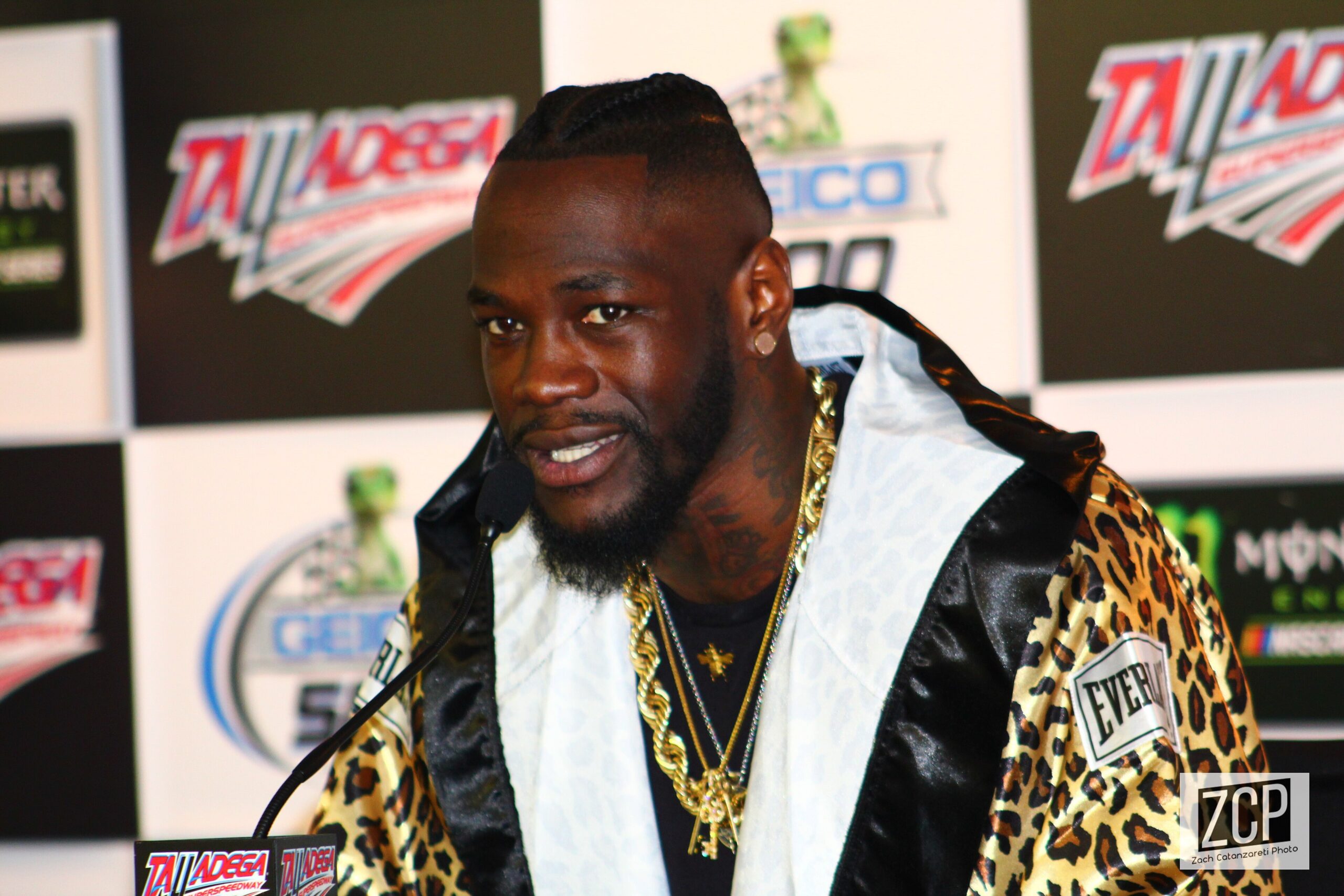
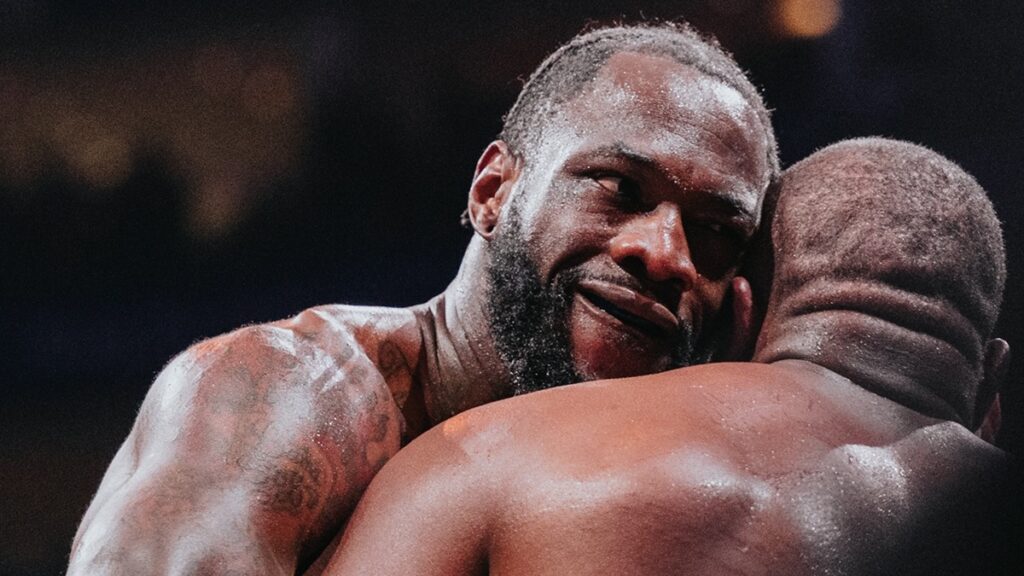
Deontay Wilder appearing at an event in 2018.Image: Zach Catanzareti Photo / CC BY-SA 2.0 / Wikimedia Commons
Deontay Wilder needs a new opponent for December 11, and Jarrell Miller says he has been contacted about taking the assignment. That possibility has revived a longstanding heavyweight rivalry, producing accusations, threats and an immediate storyline for the Tyson Fury–Anthony Joshua undercard in Cardiff.
The problem is that Wilder versus Miller is not official.
Jai Opetaia had been scheduled to face Wilder before withdrawing because of a hand injury. Opetaia co-promoter Mick Francis told Sky Sports that the injury originated during Opetaia’s September bout with Noel Mikaelian and was aggravated in training. His withdrawal left Wilder without a confirmed opponent and promoters searching for a replacement with little time available.
Miller now claims he has received a call about facing Wilder, according to BoxingScene and World Boxing News. He also says he wants financial guarantees before accepting. No promoter or representative from Wilder’s team has publicly confirmed an offer, agreement or finalized replacement, and Matchroom Boxing still lists Miller against Tony Yoka on December 20 in Accra, Ghana.
The feud is real. The fight, at least for now, is not.
Wilder and Miller Are Giving Different Versions of Their History
The possibility of a replacement fight quickly became personal because neither heavyweight needs help finding something hostile to say about the other.
Boxing News reported that Wilder accused Miller of misrepresenting the nature of their relationship. Wilder also claimed that he once gave Miller a concussion during a sparring session, presenting the alleged incident as evidence that Miller understands the danger involved in facing him.
That sparring account has not been independently verified.
Sparring stories occupy an unusual place in boxing. They can reveal genuine history between fighters, but they are usually told without official footage, neutral judges or a complete account of the circumstances. A fighter may have been hurt, exhausted, experimenting with a strategy or working under instructions that would never apply in competition. Even when the central event happened, the version repeated publicly can become sharper every time a potential fight needs promotion.
Wilder has gone considerably further than discussing what may have happened behind closed doors. World Boxing News reported that he threatened to put Miller “in a casket” if Miller becomes his opponent. The language demonstrates the hostility surrounding the matchup, but it does not confirm that negotiations have produced a fight.
Miller’s public position has focused more directly on the business. He says he was contacted and is interested, but he wants financial guarantees before committing to the December 11 date. That demand matters because accepting would require more than adding another opponent to his schedule. Miller is already officially listed by Matchroom to face Yoka nine days later in Ghana.
It is difficult to treat that existing commitment as a minor detail.
Miller would presumably need a satisfactory agreement for the Wilder fight and clarity regarding his obligation to face Yoka. Whether Matchroom would release him, postpone the Ghana bout or attempt another arrangement remains unknown. Until those questions are answered, Miller is a possible replacement rather than Wilder’s confirmed opponent.
Miller Would Solve a Promotional Problem, Not Every Practical One
From a promotional perspective, Miller makes immediate sense.
Wilder needs an opponent recognizable enough to maintain interest in his appearance on a major heavyweight card. Miller brings name recognition, a confrontational personality and an existing conflict with Wilder that can be explained without manufacturing a new story during a compressed promotion.
The matchup would also feel different from an ordinary late replacement. Miller would not be arriving merely as the available heavyweight who accepted the terms. He would be entering a fight both men could present as unfinished personal business.
That gives the potential bout commercial energy.
It does not resolve the practical obstacles.
Miller saying that he received a call does not establish that a formal offer was made. His request for financial guarantees does not mean those guarantees have been provided. Public interest does not confirm that Wilder’s team wants the matchup under the terms Miller would accept, and it does not establish that Matchroom is prepared to alter the Yoka event.
The calendar creates another complication. December 11 is close enough that every remaining stage of the process becomes more important: contracts, medical requirements, promotional obligations and the disruption to Miller’s preparation for a different opponent on December 20.
There is also no public guarantee that Wilder will remain on the Cardiff card if promoters cannot secure a suitable replacement. Opetaia’s withdrawal created the vacancy, but the existence of a vacancy does not ensure that it will be filled.
That distinction is important because boxing rumors often move faster than boxing contracts. A fighter says contact occurred, another fighter responds, and the matchup begins circulating as though the announcement is only a formality. Sometimes those conversations become official fights. Sometimes they reveal little more than one option among several being considered.
Wilder versus Miller currently belongs in the second category.
The Career Stakes Matter More Than the Insults
If an agreement is reached, the rivalry will sell the fight. The uncertainty surrounding both heavyweights will give it meaning.
Wilder needs to demonstrate that he still belongs in consequential heavyweight bouts. His reputation and punching threat will continue to generate attention, but recognition cannot substitute indefinitely for current evidence. A convincing performance against a credible, physically demanding opponent would provide a stronger argument for keeping him in the division’s serious conversations.
Miller presents a particular kind of examination. His value would not come from replicating the challenge Opetaia was expected to provide. It would come from forcing Wilder into a fight against a heavyweight whose confidence, pressure and personality would make the occasion difficult to control through intimidation alone.
For Wilder, winning would not simply mean settling an argument. He would need to show that the qualities associated with his name still translate into an effective performance when the stakes are immediate.
Miller has a different burden.
He has remained visible enough to become part of a major undercard discussion as soon as Wilder needed an opponent. Visibility, however, is not the same as sporting momentum. Miller must prove that his durability and personality can support another meaningful run rather than merely making him an entertaining participant in heavyweight storylines.
Beating Wilder would change that conversation quickly.
A victory on the Fury–Joshua undercard would give Miller the kind of opening that cannot be created through interviews or social-media exchanges. It would establish that he can convert his physical style and public profile into a result with consequences beyond the night itself.
A loss would be damaging for the same reason. Miller would be accepting a major opportunity on short notice while potentially abandoning or restructuring an already announced fight. If he made that decision and then failed to demonstrate that he belongs at that level, the rivalry would have generated attention without producing the career progress he needs.
That is why the matchup would be more compelling than the threats surrounding it.
Both men are trying to establish present value while much of the interest in them is connected to established reputations. The fight would ask whether either heavyweight can turn familiarity into forward movement.
An Agreement Would Only Begin the Real Test
Making Wilder versus Miller official would answer the first set of questions.
It would confirm that Miller received acceptable terms. It would clarify what happens to the Yoka fight. It would establish that Wilder has an opponent and remains part of the December 11 card.
It would not answer the most important question.
The real issue is what either man can still accomplish against an opponent with something meaningful at stake. That cannot be resolved through Wilder’s account of a sparring session, Miller’s financial demands or the hostility they express in interviews.
Only the fight could provide that evidence.
A convincing Wilder victory would strengthen his claim that he remains a dangerous and relevant heavyweight rather than simply a famous one. The performance would matter as much as the result. He would need to show enough control, timing and authority to make future consequential matchups feel justified by what he can do now.
A Miller victory would create a legitimate late-career opportunity. It would allow him to move beyond being recognized for durability and personality and point to a win capable of changing how he is positioned within the division.
An unconvincing performance from either man would produce a harsher conclusion. If Wilder struggled to impose himself, or if Miller could not translate his pressure into effective work, the evidence inside the ring would matter more than the promotional success of their feud.
That is the risk both fighters would be accepting.
Their hostility can make people watch. It cannot determine what viewers will see.
LET’S TALK ABOUT IT
If Wilder versus Miller becomes official, would you consider it a meaningful heavyweight crossroads fight or primarily a grudge match between two recognizable names?
Which fighter would have more to lose: Wilder and his claim to remain a serious contender, or Miller and his opportunity to build one last consequential run?
Outlets cited in this story
- World Boxing News
- BoxingScene
- Boxing News
- Sky Sports
Spot an error? Send a correction.
More on Deontay Wilder
All 15 Deontay Wilder stories →
Deontay Wilder Has Five British Volunteers — Each One Brings a Different Risk
Deontay Wilder needs a new opponent, and Britain’s heavyweight division has not been shy about offering options. Jai Opetaia has withdrawn from his scheduled fight with Wilder on the December…
Jai Opetaia Withdraws From Deontay Wilder Fight — But Derek Chisora Claims Sparring Was the Real Cause
Jai Opetaia’s heavyweight gamble has been placed on hold before he could prove whether his championship qualities at cruiserweight would translate against one of boxing’s most dangerous punchers. Opetaia was…

Bakhodir Jalolov Suggested as Deontay Wilder’s Replacement Opponent — But No Negotiations Have Been Reported
Deontay Wilder needs a new opponent for the December 11 Tyson Fury–Anthony Joshua undercard in Cardiff, and the heavyweight selected could reveal more than organizers intend. Jai Opetaia withdrew from…
Deontay Wilder’s Jai Opetaia Fight Is Reportedly Off — But Cardiff’s Replacement Could Define His Comeback
Deontay Wilder’s planned heavyweight fight against Jai Opetaia has reportedly collapsed less than four weeks before the former champion was scheduled to appear on the Tyson Fury–Anthony Joshua undercard in…