Devin Haney Says Emotion Cost Him Against Ryan Garcia — But Liam Paro Will Test the Lesson
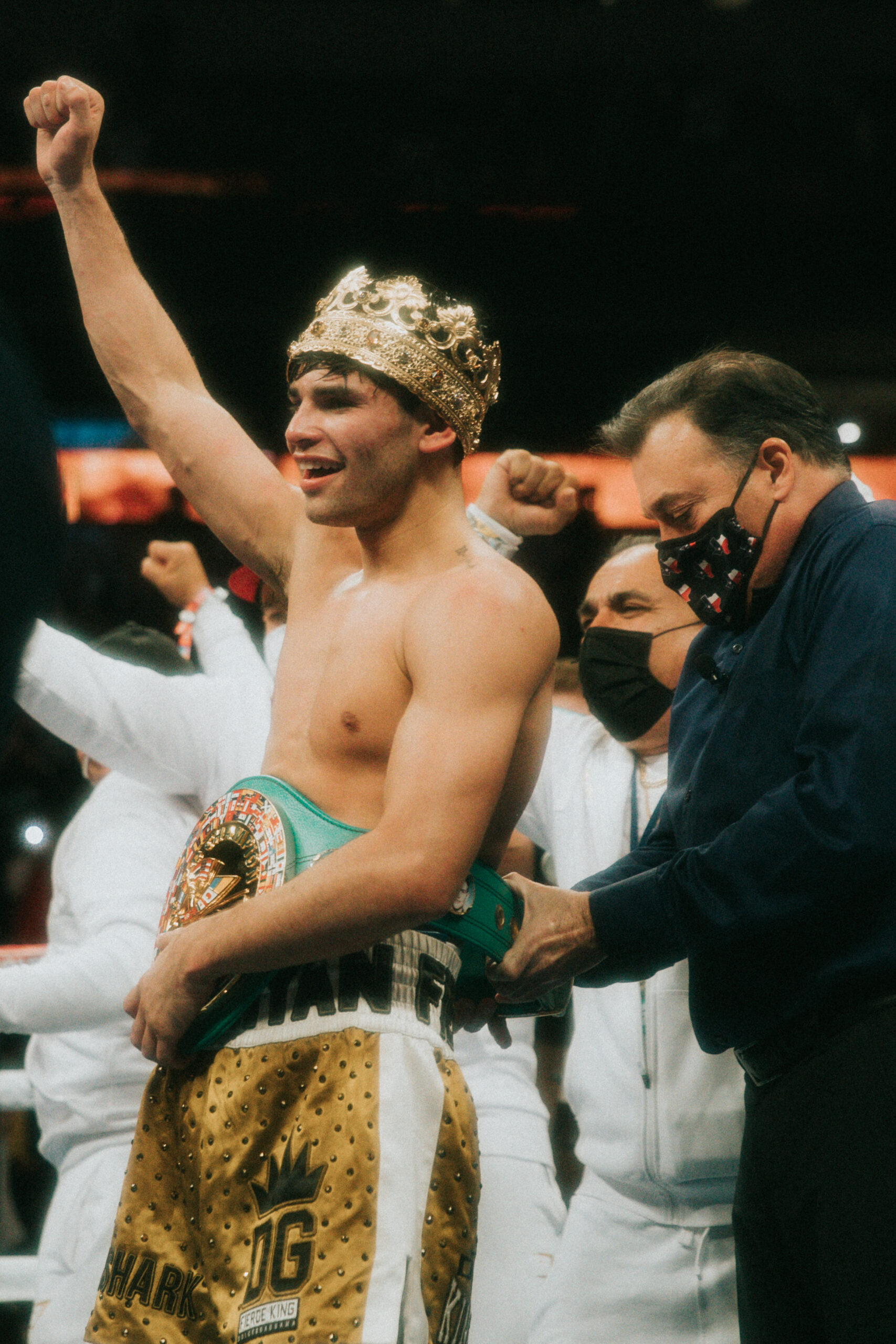
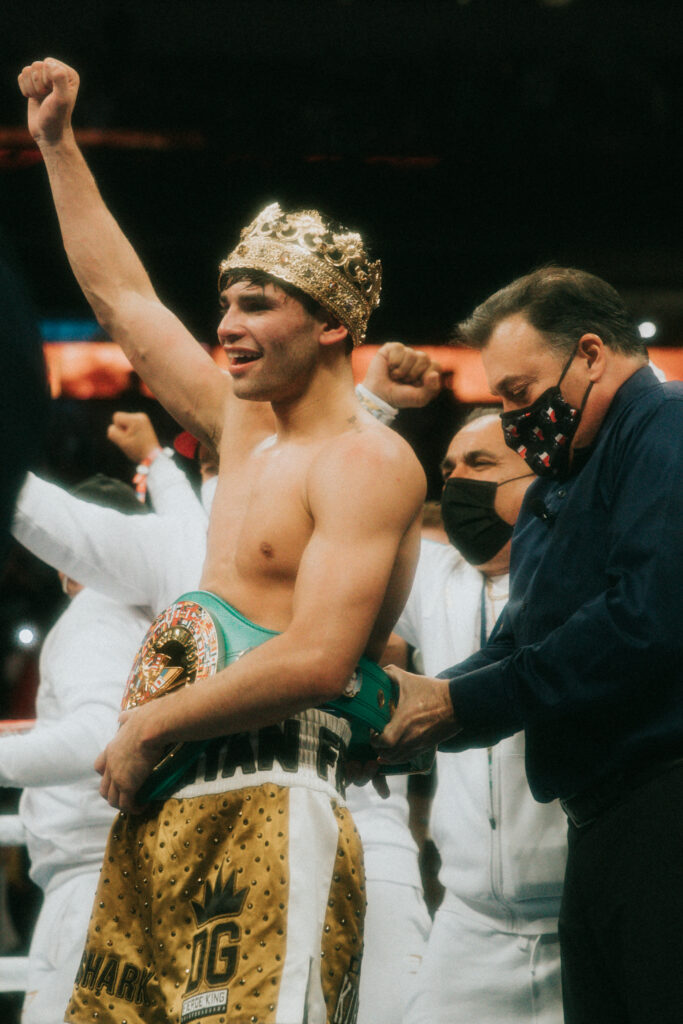
Ryan Garcia after defeating Luke Campbell in the boxing ring.Image: Ryan Garcia / CC BY-SA 4.0 / Wikimedia Commons
Devin Haney has identified the moment when his fight against Ryan Garcia stopped being a tactical contest and became personal.
During an interview released by Club Shay Shay on November 18, Haney said Garcia’s pre-fight behavior affected him, but he pointed to being hurt in the second round as the decisive turning point. Instead of remaining committed to his game plan, Haney became preoccupied with retaliating. He fought emotionally, searched for an immediate response and allowed Garcia to pull him into the kind of exchanges that favored the faster, more explosive puncher.
The consequences were dramatic. ESPN’s ringside report recorded that Garcia dropped Haney three times before receiving a majority decision on April 20, 2024, at Barclays Center in Brooklyn. That result was later changed to a no-contest after Garcia tested positive for ostarine and reached a settlement with the New York State Athletic Commission.
Haney’s explanation does not rewrite that night. It does, however, provide a clearer account of why a disciplined boxer became increasingly willing to fight on Garcia’s terms.
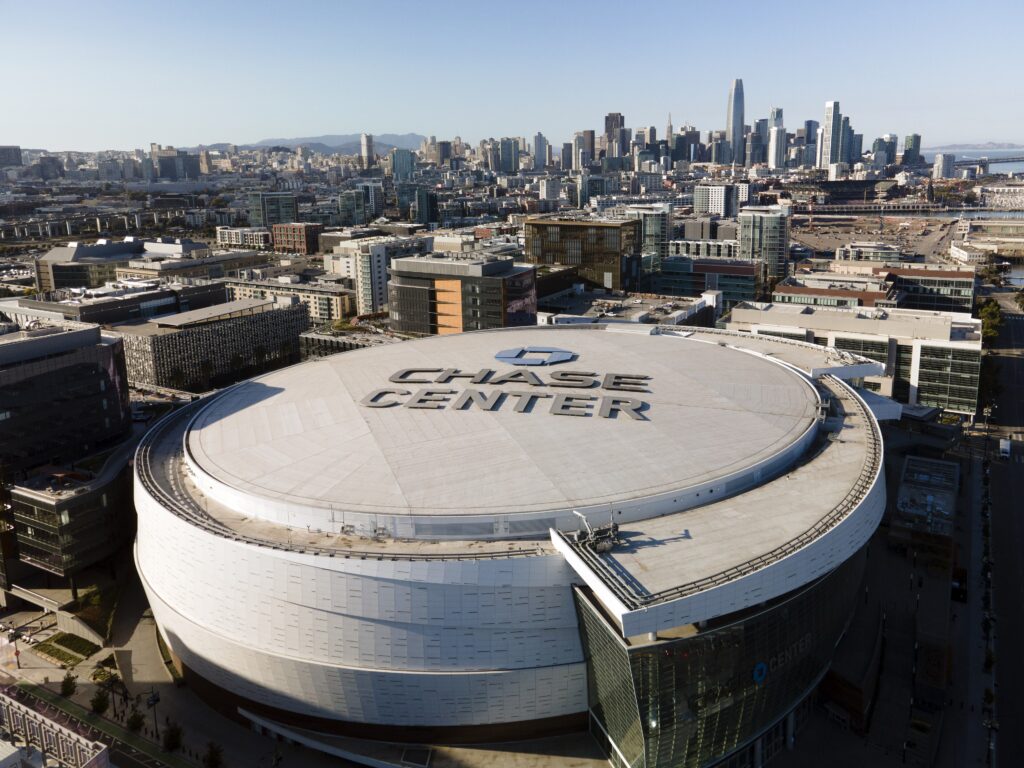
The more important question now is whether Haney has corrected the problem. Top Rank has announced that he will face IBF champion Liam Paro in a WBO-IBF welterweight unification fight on December 19 at Chase Center in San Francisco. That bout will not reproduce the Garcia matchup, but it should reveal whether Haney can maintain his judgment when the fight becomes uncomfortable.
Haney Says the Second Round Pulled Him Away From His Plan
Haney told Club Shay Shay that Garcia’s antics before the fight had some effect on him. Garcia’s erratic public behavior dominated the buildup and created a spectacle around what had been expected to be a high-level junior-welterweight contest.
According to Haney, however, the defining mistake occurred after the opening bell.
Garcia hurt him in the second round, and Haney said his response was driven by the desire to get even. Rather than treating the shot as information and making the necessary adjustment, he became focused on returning the damage immediately. The fight became emotional when Haney needed it to remain technical.
That distinction matters because Haney’s best work has generally depended on control. He manages distance, scores with straight punches and forces opponents to solve a disciplined structure. Against Garcia, that structure became less stable each time Haney accepted an exchange or stayed within range long enough for Garcia to unleash his left hook.
Haney said reviewing the fight later showed him rounds he believed he had been winning. From his perspective, there was no need to force the action simply because Garcia had hurt him. He could have trusted his scoring work, recovered his composure and continued executing the original strategy.
That is Haney’s interpretation of the footage, not an established conclusion about how the fight would have unfolded under different circumstances. Garcia’s success may have changed Haney’s behavior precisely because it exposed a danger that could not be managed through the original plan alone.
Still, Haney’s account is more meaningful than a vague promise to “do better” in a rematch. He has identified a specific failure: he allowed the desire for retaliation to override his tactical judgment.
The Explanation Adds Context Without Erasing the Knockdowns
Haney’s comments explain why he believes the fight changed, but they do not dispute what Garcia accomplished inside the ring.
Garcia landed the punches that disrupted Haney. He produced three knockdowns and repeatedly created the exchanges in which his speed and power were most dangerous. Once Haney began reacting emotionally, Garcia continued finding opportunities to hurt him.
The original majority decision is no longer part of either fighter’s official record. According to ESPN, the New York State Athletic Commission changed the result to a no-contest in June 2024 after Garcia reached a settlement following positive tests for ostarine. The commission also imposed a one-year suspension. Garcia has denied knowingly taking a banned substance, as noted in the November 19 POP MMA report.
The circumstances surrounding the fight were already complicated before the drug-test case. ESPN reported that Garcia officially weighed 143.2 pounds on April 19, placing him 3.2 pounds above the contracted 140-pound limit.
Those facts matter. Missing weight and testing positive for a prohibited substance cannot be separated from any responsible account of the event. The commission’s ruling also means Garcia does not officially hold a professional victory over Haney from that night.
But a no-contest does not erase the footage.
Haney was hurt, dropped and unable to restore consistent control once the fight moved away from his preferred rhythm. Garcia demonstrated that he could force Haney into dangerous decisions, whether through his punching speed, his power or the emotional tension surrounding the rivalry.
That is why Haney’s admission is significant. He is not claiming the knockdowns never happened or that the official ruling solved the tactical questions. He is arguing that his own reaction made the situation worse.
Recognizing that difference is valuable.
Proving he can respond differently is the harder part.
A Garcia Rematch Has Championship Potential but Remains Unconfirmed
Haney told Club Shay Shay that he knows how to beat Garcia and wants another fight. That confidence is understandable, especially when the first result was overturned and the rivalry remains unresolved.
It is still Haney’s assessment.
No rematch date, venue, weight or finalized agreement has been officially announced. Reports suggesting that Haney-Garcia II is approaching should therefore be treated as unconfirmed unless the fighters, their representatives or an authorized promoter announce a completed deal.
The potential stakes have increased since their first meeting. The WBC’s November 2026 ratings identify Garcia as its welterweight champion and Haney as the WBO welterweight champion. A rematch could become one of the division’s most consequential fights, depending on what each man does next and which titles remain available.
That future is not guaranteed.
Garcia’s next opponent has not been established in the supplied record, and Haney already has an immediate championship assignment against Paro. Any discussion of a rematch must account for the possibility that the welterweight landscape changes before both men are ready to meet again.
Haney cannot treat Paro as a holding assignment on the way to Garcia. Top Rank has announced a genuine unification fight between two champions, and the result will directly affect Haney’s position in the division.
A victory would strengthen his negotiating leverage and preserve the possibility of eventually meeting Garcia with multiple titles at stake. A loss would redirect his career and make the rematch far less immediate.
Before Haney can prove that he has solved Garcia, he must show that his focus is fully on Paro.
Paro Will Test Whether Haney’s Reflection Produced Growth
Paro does not need to fight exactly like Garcia for the December 19 bout to test Haney’s development.
The relevant comparison is pressure, not style.
Championship fights rarely unfold entirely according to one boxer’s preferred plan. Haney will have to absorb punches, manage difficult moments and decide when to engage. At some point, Paro is likely to challenge his control and force him to make decisions without the benefit of time or emotional distance.
That is where Haney’s lesson must become visible.
If he is hurt, can he recover without immediately trying to reclaim the moment? If he believes he is winning rounds, can he trust that work instead of chasing a more emphatic response? If Paro disrupts his rhythm, can Haney adjust without abandoning the structure that brought him success?
Those questions reach beyond the Garcia rivalry. They concern Haney’s development as a champion operating at welterweight, where mistakes can become more costly and physical challenges cannot always be neutralized by clean boxing alone.
Haney’s post-fight analysis sounds reasonable because fighters often understand their errors most clearly once the danger has passed. Watching footage from outside the ring makes it easier to identify unnecessary exchanges, missed adjustments and moments when emotion replaced calculation.
The test is whether that understanding survives contact.
Haney does not need to produce a flawless performance against Paro. He does need to demonstrate that adversity no longer dictates his decision-making. A mature response to pressure would support his claim that the Garcia fight taught him something lasting.
It would not prove that he can beat Garcia.
Only a rematch could directly answer that question because Garcia presents the specific combination of history, speed, power and emotional friction that caused Haney’s discipline to break down the first time. Performing well against Paro would establish progress, but it would not automatically translate into a different outcome against the opponent who dropped him three times.
That leaves Haney with two stages of proof.
Paro is the immediate examination of his composure and tactical development. Garcia would be the final examination of whether those improvements hold against the man who forced the original collapse.
LET’S TALK ABOUT IT
Does Haney’s admission change how you evaluate his performance against Garcia, or does it simply confirm what the fight already showed?
And if Haney stays disciplined against Liam Paro, would that convince you that a Garcia rematch could unfold differently, or can only a second fight settle that question?
Outlets cited in this story
- ESPN
Spot an error? Send a correction.
More on Devin Haney
All 14 Devin Haney stories →
Devin Haney Says Crawford Would Beat Canelo Alvarez “Even Better” — But Would Canelo Have Any New Answers?
Devin Haney believes Terence Crawford would defeat Saul “Canelo” Alvarez more convincingly in a rematch. The prediction arrives at a convenient moment for boxing’s biggest-event machinery: Alvarez has regained a…
Devin Haney Says Floyd Mayweather Can Beat Ryan Garcia — But a WBC Title Shot Raises a Bigger Question
Devin Haney believes Floyd Mayweather could defeat Ryan Garcia. He is considerably less convinced that the proposed fight will ever happen. “I think he can win, but will it happen?…
Devin Haney Targets Ryan Garcia After Liam Paro — But the Unification Must Come First
Devin Haney already knows which fight he wants if he defeats Liam Paro on December 19. Speaking to FightHype in comments reported by Boxing News, Haney identified Ryan Garcia as…
Devin Haney Reportedly Set to Face Liam Paro in San Francisco — But Two Belts Would Only Start the Argument
Devin Haney could begin his new agreement with DAZN by pursuing something more meaningful than a showcase victory. The WBO welterweight champion is reportedly set to face IBF champion Liam…