
Shakur Stevenson’s Mandatory Defense Heads Toward Purse Bids — But His Market Value Is the Bigger Fight
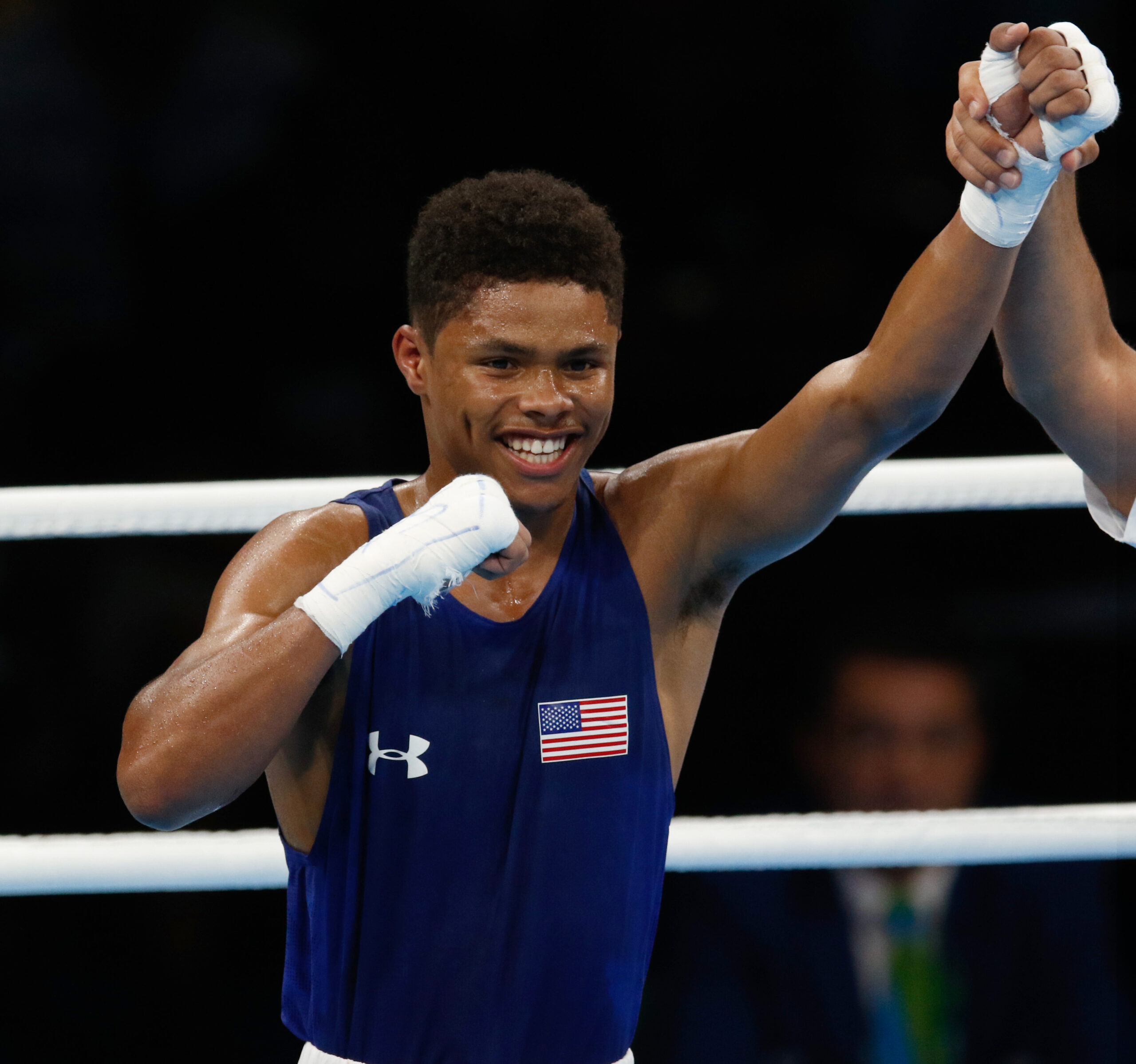
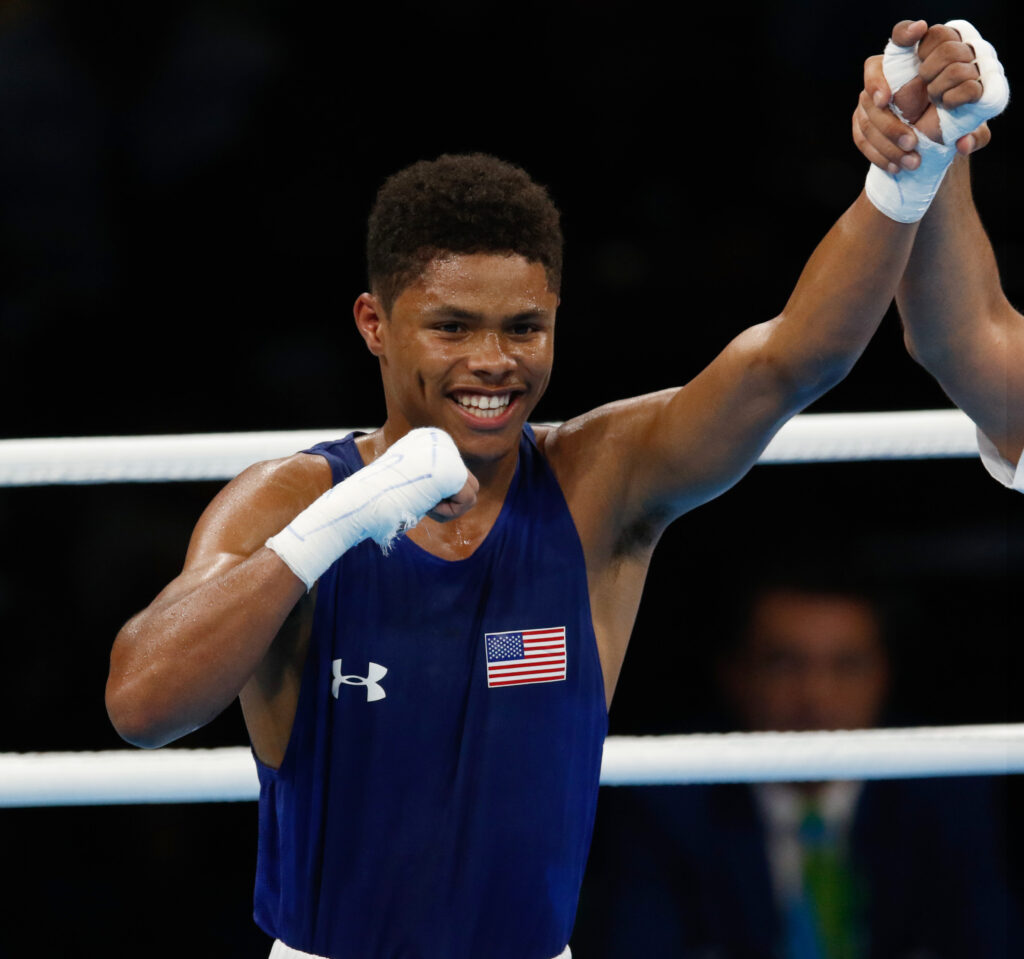
Shakur Stevenson boxes Robenilson de Jesus at the 2016 Rio Olympics.Image: Fernando Frazão/Agência Brasil / CC BY 3.0 br / Wikimedia Commons
Shakur Stevenson became the WBO junior-welterweight champion by defeating Teofimo Lopez by 12-round unanimous decision on January 31, according to the WBO’s February 2026 divisional record. Now the business surrounding Stevenson’s first mandatory defense may reveal almost as much about his position in boxing as the fight itself.
The WBO formally ordered Stevenson to negotiate with designated mandatory challenger Raymond Muratalla on October 27. The sanctioning body gave the parties 20 days to reach an agreement, setting a deadline of November 16 at 4 p.m. Atlantic Standard Time. That deadline passed without an announced deal.
Dan Rafael reported on November 18, citing a source, that negotiations had ended without an agreement and that the WBO would schedule a purse bid for November 30. Boxing News subsequently reported that official confirmation was still expected. As of November 18, no corresponding purse-bid order had been publicly located on the WBO’s website, meaning the reported date should not yet be treated as formally confirmed by the sanctioning body.
That distinction matters. The next step appears to be a purse bid, but the official terms, participating promoters and eventual value of the fight remain unknown.
If the process proceeds, it will do more than determine who promotes Stevenson-Muratalla. It will place an actual price on what boxing businesses believe Stevenson can generate as WBO champion.
The Negotiation Period Reportedly Ended Without a Deal
The WBO’s October 27 order directed the Stevenson and Muratalla camps to negotiate the mandatory championship contest. It stated that the parties had 20 days to reach mutually acceptable terms and warned that failure to do so would trigger purse-bid proceedings under Sections 11 through 14 of the organization’s championship regulations.
The deadline arrived on November 16 without a publicly announced agreement.
A purse bid is boxing’s mechanism for resolving that kind of impasse. Instead of requiring the champion’s and challenger’s representatives to agree privately on financial terms, eligible promoters are given an opportunity to submit offers for the right to stage the fight. The winning bid establishes the total purse, subject to the sanctioning body’s rules, and can determine who controls the event.
That control may extend beyond the name on the promotional banner. The winning promoter could influence the platform, location and broader presentation of the fight, although none of those details has been settled.
Rafael reported that the WBO would order the bidding for November 30. MiddleEasy also covered that reported date, while Boxing News emphasized that formal confirmation was still pending. Until the WBO issues a public order, November 30 remains a reported development rather than a completed official action.
The camps could also reach an agreement before bidding begins. Purse-bid proceedings create a deadline and an open market, but they do not necessarily prevent the parties from negotiating their own resolution beforehand.
A private agreement would answer the immediate matchmaking question. An open bid would answer a more revealing business question.
How much does the market believe this fight—and Stevenson’s championship position—are worth?
The Purse Split Is Clearer Than the Actual Money
Rafael reported that a successful bid would be divided 75% to Stevenson and 25% to Muratalla if the parties do not reach an agreement first. The WBO had not publicly confirmed that specific purse-bid order as of November 18, but the reported division is consistent with the organization’s published regulations under certain location conditions.
The WBO’s 2026 championship regulations state that an existing champion receives 75% of the purse when the contest is held in the champion’s country or at a neutral venue, with the challenger receiving 25%. If the contest takes place in the challenger’s country, the regulations provide an 80-20 division in favor of the champion.
That establishes the framework, not the payment.
No winning bid exists publicly because the reported purse bid has not yet occurred. There is no confirmed total purse, and the amounts Stevenson and Muratalla would receive cannot be calculated until a bid is accepted or the camps reach a separate agreement. The location could also affect the applicable percentage under the regulations.
The difference is important because purse-bid percentages can sound significant without revealing the real financial picture. Seventy-five percent of a strong bid could provide Stevenson with championship-level compensation and strengthen his position in later negotiations. Seventy-five percent of a modest bid could expose limits in what promoters believe this particular matchup can earn.
Muratalla’s guaranteed share would be determined by the same market. His status as the designated mandatory challenger gives him the opportunity, but the eventual value of that opportunity depends on how aggressively promoters compete for the event.
Neither side’s motives for failing to reach an agreement should be assumed. There have been no sourced public statements in the supplied reporting establishing that money, promotional control, location or another specific issue caused the negotiations to end without a deal.
What is documented is simpler: the WBO ordered negotiations, its deadline passed, and a purse bid has been reported as the next step.
The Bidding Could Measure Stevenson’s Commercial Leverage
Stevenson’s competitive reputation and his commercial value are related, but they are not the same thing.
The official WBO record establishes that Stevenson defeated Lopez to win the junior-welterweight championship. That victory gave him another major title and positioned him as the champion responsible for fulfilling the organization’s mandatory requirements. It did not automatically establish what every future Stevenson fight would be worth on the open market.
A purse bid would provide a practical measurement.
Promoters considering a bid would have to evaluate what Stevenson-Muratalla could generate through its available audience, platform value, venue potential and broader promotional possibilities. Their offers would represent business judgments rather than rankings, technical assessments or claims about who possesses the greater boxing ability.
A strong winning bid could reinforce Stevenson’s leverage. It would suggest that at least one promoter believes controlling his mandatory defense is worth a substantial commitment, even when the opponent is assigned through the sanctioning process rather than selected as the biggest available commercial name.
Competitive bidding would say even more. Multiple serious offers could demonstrate that Stevenson’s championship presence has value across promotional boundaries and that businesses see an opportunity in attaching themselves to his title reign.
A quieter market would send a different message.
Limited interest or a modest winning bid would not diminish what Stevenson has accomplished inside the ring. It would not rewrite his victory over Lopez or determine how he compares technically with other leading fighters. It could, however, reveal a gap between his standing as an elite boxer and his current position as a revenue-generating attraction.
Boxing 247 framed the potential bidding as a test of Stevenson’s market value. That is the central issue because purse bids turn promotional opinion into numbers. Fighters and promoters can make ambitious claims about drawing power, but an open bidding process forces interested parties to decide how much money they are actually prepared to risk.
The winning bidder could also affect Stevenson’s immediate promotional relationships. If an outside promoter secures the rights, Stevenson may find himself appearing on a different platform or working within an unfamiliar event structure for the mandatory defense. Those possibilities remain hypothetical until bids are submitted and accepted, but the process creates room for control of the event to move beyond the arrangements Stevenson’s team might otherwise prefer.
That makes the purse bid relevant to more than one night. The outcome could become a reference point when Stevenson pursues bigger fights and negotiates future guarantees.
The Purse Bid Could Change the Business, Not the Official Record
For all the attention the bidding may receive, several parts of this situation remain unchanged.
Stevenson is the WBO junior-welterweight champion based on the organization’s record of his unanimous-decision victory over Lopez on January 31. Muratalla remains the designated mandatory challenger named in the WBO’s October 27 negotiation order. The expired deadline does not reverse either status.
The WBO order also makes clear that failure to reach an agreement moves the contest toward purse-bid proceedings. Unless the sanctioning body approves another outcome, the mandatory obligation remains part of Stevenson’s title reign.
What the bid could change is the financial and promotional environment surrounding that obligation.
It could determine who earns the right to promote the fight. It could establish the guaranteed money available for the event. It could affect the platform and location. It could also influence how Stevenson’s leverage is viewed when he turns toward more commercially ambitious opponents.
What it cannot do by itself is provide a complete judgment of his drawing power.
A purse bid values a specific matchup under specific circumstances. Muratalla may present a serious sporting challenge without carrying the same commercial profile as another potential opponent. Promoters may also assess the event differently depending on their platform needs, available dates and existing relationships. A single winning offer would be meaningful evidence, but it would not represent the final word on Stevenson’s ceiling as an attraction.
The official sequence remains limited and clear. The WBO’s divisional record says Stevenson defeated Lopez on January 31. The organization ordered negotiations with Muratalla on October 27. Its November 16 deadline expired without an announced agreement. Rafael then reported on November 18 that bidding would be scheduled for November 30.
The next decisive document should come from the WBO.
A formal purse-bid order would confirm whether November 30 is the official date and identify the governing terms. The submitted bids would then show which promoters want the fight and how aggressively they value it. A winning offer would create a concrete commercial benchmark where there is currently only speculation.
If the camps reach an agreement first, the mandatory defense could move forward without exposing Stevenson’s value to the same open-market test. That may create a smoother path to the fight, but it would reveal less about how rival promoters evaluate the champion.
LET’S TALK ABOUT IT
Would a strong winning bid prove that Shakur Stevenson’s commercial value is beginning to match his reputation as an elite fighter?
And if the market is weaker than expected, should Stevenson fulfill the Muratalla mandatory on the available terms or reconsider how the WBO title fits into his pursuit of bigger fights?
Outlets cited in this story
- Boxing News
- Boxing 247
Spot an error? Send a correction.
More on Shakur Stevenson
All 15 Shakur Stevenson stories →
Shakur Stevenson’s Next Deal Faces Eddie Hearn’s Financial Line — But His Value Goes Beyond the Ring
Shakur Stevenson has already answered the competitive question. The unbeaten WBO junior-welterweight champion is 25-0 with 11 knockouts, according to BoxingScene, and his dominant victory over Teofimo Lopez reinforced his…
Eddie Hearn Holds Talks With Unnamed World Champion — But Matchroom’s American Rebuild Remains Unfinished
Eddie Hearn is attempting to strengthen Matchroom’s American roster, and at least some of those recruitment efforts may have moved beyond preliminary conversations. According to BoxingNews24, Hearn is discussing potential…
Shakur Stevenson Has Eddie Hearn’s Attention — But Matchroom Still Has to Deliver the Fight
Shakur Stevenson is searching for another route forward after his brief relationship with Zuffa Boxing ended before he fought under its banner. Eddie Hearn has now made it clear that…
Shakur Stevenson’s Asking Price Draws Criticism — But a Muratalla Purse Bid Could Reveal His True Market Value
Shakur Stevenson’s decision to leave Zuffa Boxing has placed his value—and his understanding of that value—under immediate scrutiny. Stevenson announced on October 19 that Zuffa Boxing had granted his requested…